Why Cracking Happens in the First Place
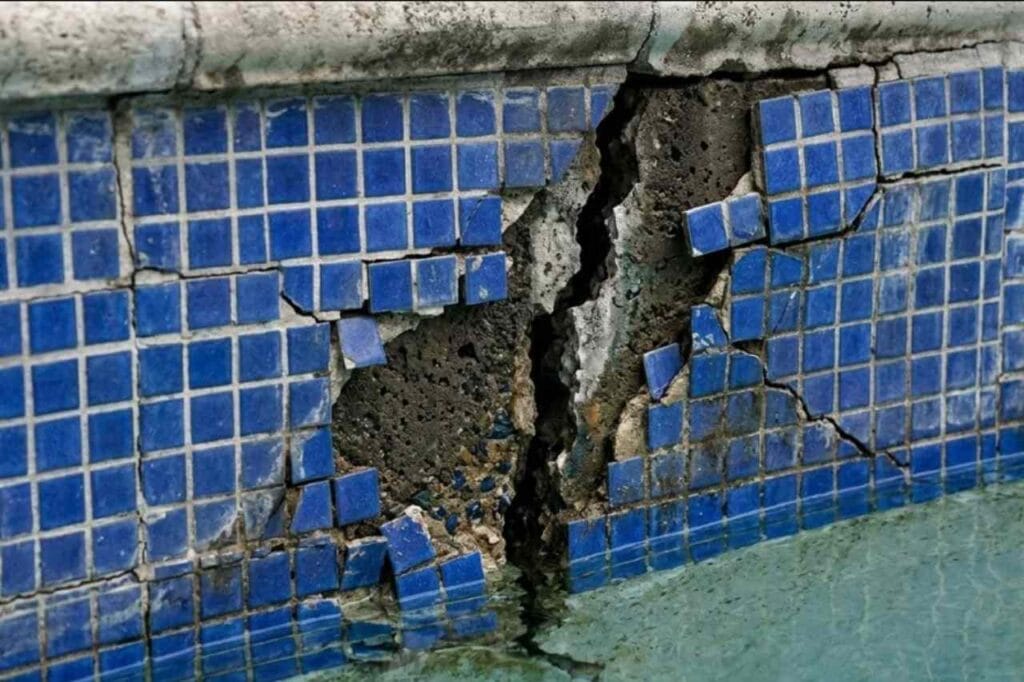
Concrete and fibreglass are the two dominant plunge pool materials in Australia, and each carries different cracking risks. Concrete pools are more vulnerable because the material itself shrinks slightly as it cures, and any movement in the surrounding soil amplifies stress on the shell. Fibreglass pools flex more naturally, which reduces cracking risk, but improper installation can still cause structural damage over time.
Soil movement is the biggest culprit in most Australian backyards. Reactive clay soils, common across south-east Queensland and parts of New South Wales, expand when wet and contract in dry periods. That constant shifting places enormous lateral pressure on a pool shell that was never designed to absorb it. Geoscience Australia’s overview of soil reactivity explains how certain regions are particularly prone to these ground movement challenges.
Additional cracking triggers include:
- Hydrostatic pressure from a high water table pushing upward against the pool base
- Poorly compacted backfill around the pool shell
- Tree roots growing beneath or alongside the structure
- Thermal expansion and contraction in regions with wide temperature swings
- Inadequate concrete slab thickness under the pool
That last point is often overlooked. Checking the concrete slab thickness requirements for your specific pool size and soil type is a critical step that many homeowners skip during the planning stage.
The Role of Site Conditions and Installation
Sloped blocks create a unique set of challenges. When the ground beneath or around a pool sits at varying depths, differential settlement can occur, meaning one side of the pool sinks or shifts at a different rate than the other. This uneven movement is a primary cause of structural cracking in inground pools.
If your property is on a slope, working with brisbane sloping block builders who understand retaining wall engineering and soil stabilisation is not optional; it is essential. The right site preparation, including proper compaction, drainage channels, and engineered footings, dramatically lowers the cracking risk before installation even begins.
Reading a detailed precast plunge pools guide is one of the best early steps any buyer can take. Precast pools are manufactured under controlled factory conditions, which means more consistent concrete density and fewer weak points compared to pools poured on-site.
Plunge Pools Brisbane installs precast plunge pools in above ground and inground configurations, and their approach to site assessment addresses the soil and drainage factors that most commonly lead to post-installation cracking. For homeowners on sloped sites specifically, understanding precast plunge pools on sloped sites covers the engineering principles that make these installations structurally sound even on challenging terrain.
Things to Know
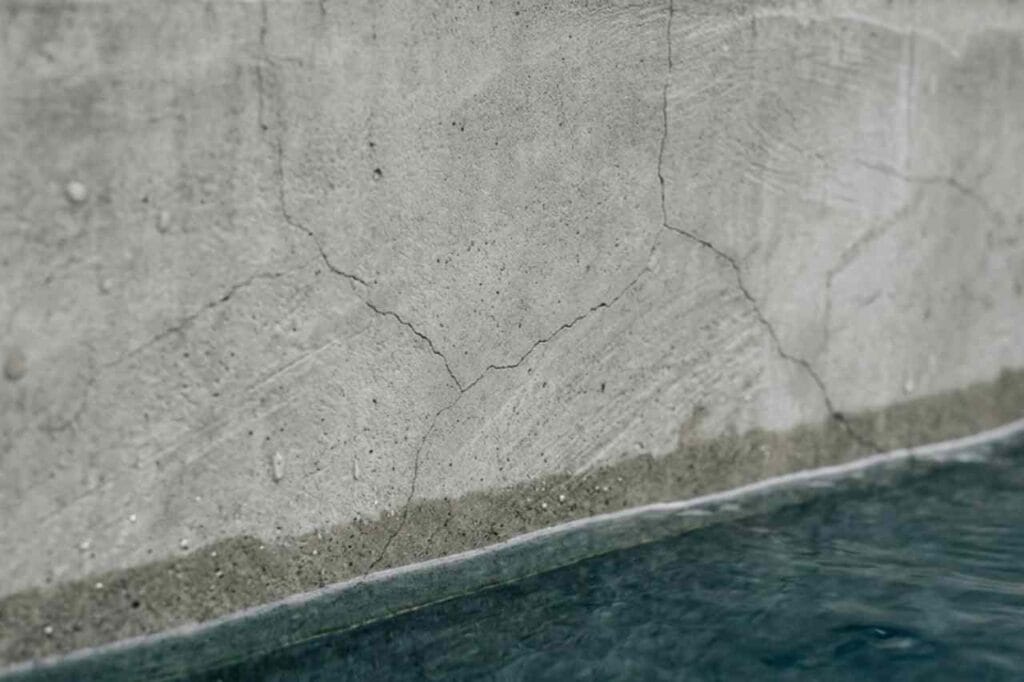
- Hairline surface cracks in concrete pools do not always indicate structural failure, but they should be assessed by a professional promptly to determine depth and cause.
- The Australian Building Codes Board sets minimum standards for pool construction, but compliance alone does not guarantee cracking-free performance on reactive soils.
- Fibreglass and precast options generally carry lower cracking risk over a 20-plus year lifespan than site-poured concrete.
- Choosing between a spa pool and a precast unit involves different structural trade-offs; reviewing the spa pool vs precast plunge pool comparison helps clarify which suits your site and usage needs.
Budget and Material Choices That Affect Crack Risk
Cost is inevitably part of the conversation. Cheaper installation methods and lower-grade materials correlate directly with higher cracking incidence over time. Reviewing the full plunge pool cost breakdown shows where money is well spent and where cutting costs creates long-term liability.
Healthdirect Australia highlights pool safety as a broader public health priority, and a cracked pool that leaks or shifts poses genuine safety risks beyond simple inconvenience.
Conclusion
Yes, plunge pools can crack, but it is largely a preventable problem when site conditions, material choice, and installation quality are all handled correctly. Working with experienced installers who understand Queensland soils and use factory-controlled precast products gives you the strongest defence against cracking over the life of your pool.
Ready to Protect Your Pool From Cracking?
Contact Plunge Pools Brisbane for a site-specific assessment before you commit to any pool type. Bring your block measurements, any known drainage issues, and your soil report if you have one. Our team can recommend the right installation approach based on your actual ground conditions rather than a generic sales pitch.
Frequently Asked Questions
How do I know if my plunge pool crack is structural or just cosmetic?
Structural cracks typically run through the full thickness of the shell, allow water to seep through, or widen over time.
Cosmetic surface cracks stay shallow and do not affect water retention. A pool inspector can assess crack depth using dye testing and pressure measurement to give you a definitive answer.
Can a cracked plunge pool be repaired, or does it need full replacement?
Many cracks can be professionally repaired using epoxy injection or hydraulic cement, depending on the crack type and cause.
If the underlying cause, such as soil movement or hydrostatic pressure, has not been addressed, repairs may only be a short-term solution. A structural engineer assessment is advisable before committing to repair costs.
Do fibreglass plunge pools crack as often as concrete ones?
Fibreglass pools crack less frequently than concrete because the material has inherent flexibility that absorbs minor ground movement.
However, fibreglass can develop spider cracks in the gel coat over time, which are usually cosmetic. Osmotic blistering is a separate fibreglass issue that can be mistaken for cracking.
Does the Australian climate make plunge pool cracking more likely?
Yes, Australia’s reactive clay soils and wide seasonal temperature ranges create above-average stress conditions for pool shells.
South-east Queensland in particular experiences significant soil moisture variation across wet and dry seasons, which amplifies the soil movement that leads to cracking in poorly installed pools.
How long does a well-installed plunge pool last without cracking?
A well-installed precast or fibreglass plunge pool on prepared ground should last 20 to 30 years without significant structural cracking.
Regular maintenance, keeping water chemistry balanced, and monitoring surrounding drainage all extend that lifespan. Annual inspections by a qualified pool technician help catch minor issues before they become major ones.