| Type of Plunge Pool | Price Range (AUD) | What This Includes |
|---|---|---|
| Small Precast Concrete Plunge Pool | $25,000 – $50,000 | Shell, crane, basic excavation, filtration, coping |
| Round / Square Precast Plunge Pool | $28,000 – $55,000 | Same as above, plus additional shape options |
| Custom Concrete Plunge Pool | $50,000 – $120,000 | Fully custom build, steel, concrete spray, tiling |
| Fibreglass Plunge Pool | $30,000 – $85,000 | Shell, gelcoat finish, backfill, filtration |
| Vinyl-Liner Plunge Pool | $11,000 – $30,000 | Liner, steel frame, basic filtration (higher upkeep) |
| Above-Ground Plunge Pool | $15,000 – $40,000 | Shell + installation depending on material |
Want a more accurate estimate? Contact us for a quote based on your backyard, access, and preferred pool type.
And if you’re looking for something more customised, then getting a quote is an important step. Before you do this, it is important to know what size and what kind of plunge pool you want to install. You’ll also need to figure out how much of a budget you have to work with.
This guide breaks down every line item so you can avoid hidden expenses during your build.
Why the final price is more than just the pool shell
Almost every homeowner reports the same pattern:
- The pool shell might be $24k–$30k,
- But the completed project typically ends up $60k–$90k,
- And full backyard transformations can exceed $100k.
This is because most of the budget goes into:
- Excavation and soil removal
- Cranes and access solutions
- Concrete slabs or piers
- Electrical and plumbing
- Fencing (mandatory by QLD law)
- Paving, decking, or retaining work
- Heating systems
As one owner said:
“The pool might cost $25k… but once everything is in the ground, the real number is closer to $75k.”
This aligns with modern pricing trends across South East Queensland, where SEQ labour costs, materials, and access limitations push total project costs far beyond the shell price.
What Type of Plunge Pool Will Give you the Best Value?
The ideal plunge pool isn’t always the cheapest—it depends on your budget, your yard, your installation timeframe and your long-term goals. To assist you determine which plunge pool choice delivers the most value for your scenario, the table below compares the most common plunge pool options.
| Pool Type | Price Range | Installation Time | Durability | Maintenance Level | Best For |
|---|---|---|---|---|---|
| Precast Concrete | $25k–$50k | 1–3 days | Excellent | Low | Small backyards, fast installs |
| Custom Concrete | $50k–$120k | 6–12 weeks | Exceptional | Low | Homes wanting luxury finishes |
| Fibreglass | $30k–$85k | 1–2 weeks | Very Good | Low | Families wanting quick install |
| Vinyl-Liner | $11k–$30k | 1 week | Medium | High | Budget builds only |
| Above-Ground Plunge Pools | $15k–$40k | Varies | Medium | Low–Medium | Sloping blocks, rentals |
Precast Concrete Plunge Pools
Precast concrete plunge pools are suitable for a homeowner who wants a lasting pool with a lot speedier installation than a regular concrete design. The shell is made off site so installation can typically be done in a matter of days, making it a popular choice for Brisbane backyards with easy access.
Best suited for:
- Quick installation
- Predictable pricing on projects
- Small to medium sized backyards
- Long-lastingdurability
Fibreglass Plunge Pools
Fibreglass plunge pools have a smooth finish and an easy to maintain surface. They come in a selection of conventional sizes and forms, making them a convenient solution for homeowners who want a speedy installation without needing a fully bespoke design.
Best suited for:
- Little maintenance
- Simple to install
- Families that want a ready made pool
- Typical backyard layouts
Custom Concrete Plunge Pools
Custom concrete plunge pools are the most design flexible. They can be custom made to accommodate odd shaped blocks, sloping sites or property owners wanting a high end architectural flair. They usually have the highest initial cost and longest building period, but give complete freedom as to size, shape and finishes.
Best suited for:
- Luxury housing
- Blocks that are irregular or sloping
- Fully customizable design
- Luxury landscaping jobs
Concrete Plunge Pool Cost
Although concrete pools take considerably more time to install than the other two options, especially when accounting for Brisbane soil conditions and engineering requirements, they are also much more durable and require less maintenance in the long run. In fact, concrete plunge pools are by far the most durable when it comes to durability. They do not require as much maintenance as fibreglass pools and are more shock-resistant than vinyl-liner pools. If you’re looking for a pool that will last you for years to come, a concrete pool is definitely the way to go – even though the initial price tag may be higher than the other options.
A concrete pool is a more viable option than other types of pools when you factor in its longevity and investment value. The average concrete pool costs around $80,000, with prices ranging from $50,000 to $120,000.
Costs Of Precast Concrete Plunge Pools
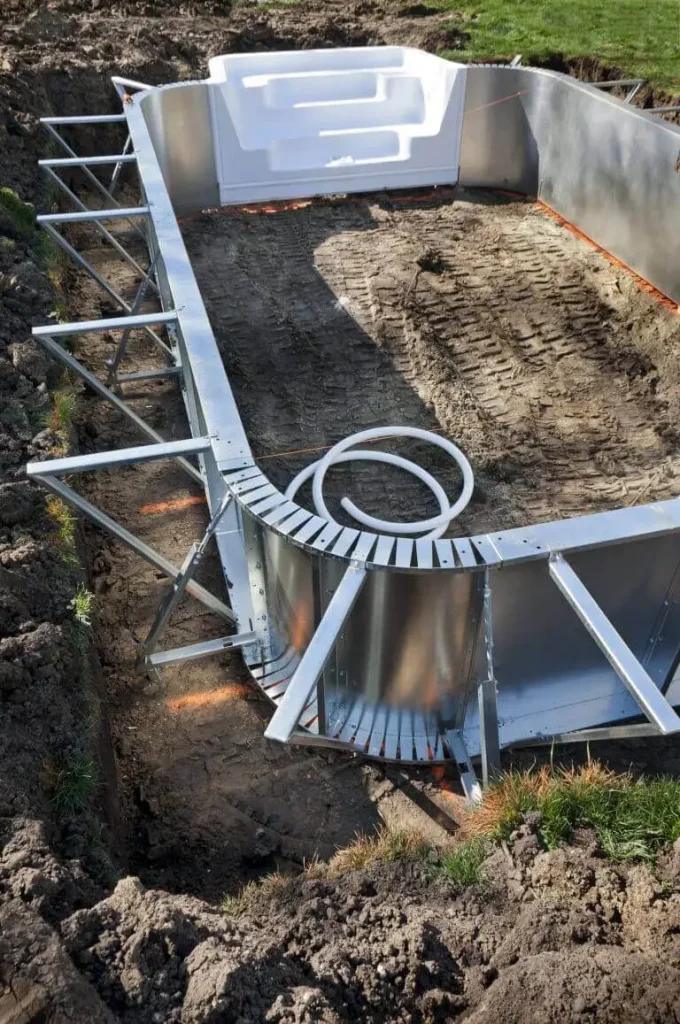
Precast concrete plunge pools are an increasingly popular choice for homeowners looking to add a pool to their property. They’re a great alternative to concrete pools as they’re often more affordable but just as durable. To be specific, we offer precast pools at very affordable prices starting from $24,950. Most homeowners can expect to spend between $42,000 and $55,000 for a fully installed precast plunge pool, while premium packages with custom features can exceed $60,000.
They’re extremely durable and require little maintenance, meaning you’ll save money on repairs and upkeep over the life of the pool. With all of these benefits, it’s no wonder that they are becoming the pool of choice for savvy homeowners.
See What This Would Cost on Your Property →How Tight Access Affects Your Installation Price
Inner-Brisbane blocks in suburbs like Paddington, Red Hill, Bardon, and Stafford often have:
- Narrow driveways
- Steep slopes
- High-set homes
- Limited truck access
Real homeowners repeatedly warn that crane fees can swing the total cost by thousands.
Examples include:
- Using a neighbour’s driveway can save several thousand but risks damage.
- Craning over a house can double the crane cost.
- Franna cranes are cheaper but only work when access is wide and clear.
One buyer shared:
“If we couldn’t use the neighbour’s driveway, the crane cost would have doubled.”
These access limitations are common across inner-Brisbane blocks and are one of the biggest cost variables homeowners underestimate.
Vinyl Plunge Pool Cost
Vinyl-liner pools, often called flex-liner pools, are a cost-effective solution for those seeking a pool with a simple, yet versatile design. However, it’s important to keep in mind that these pools often require routine maintenance to maintain their appearance, such as regular repainting to prevent fading. Additionally, their lifespan is typically shorter than other pool materials, such as fibreglass and concrete.
On the other hand, fibreglass and concrete pools offer greater durability and require less maintenance. Their robust materials make them a long-lasting investment.
In summary, if budget is a concern, a vinyl-liner pool may be a suitable option, but if longevity and low maintenance are your top priorities, it may be worth considering a precast concrete or shotcrete plunge pool. A base model of a vinyl-liner plunge pool can cost around $11,000, but prices may vary based on the size and design of the pool.
Fibreglass Plunge Pool Cost
The cost of a fibreglass plunge pool varies based on the model, with prices ranging from $30,000 to $85,000. Opting for fibreglass provides a cost-effective solution for those seeking a high-quality plunge pool.
Quick installation and minimal maintenance are key features of fibreglass plunge pools, making them a smart investment that can add value to your property. With the ability to customize, you can find the perfect fibreglass plunge pool to suit your needs and aesthetic.
Brisbane Cost Factors for Plunge Pool Installation
Every Brisbane property is unique, and local site conditions can have a significant impact on your plunge pool installation. Factors such as the city’s soil types, sloping blocks, and access restrictions often require additional planning before construction begins. Understanding these local conditions will help you better prepare for your project and avoid unexpected challenges.
Here are some of the most typical elements that determine the cost of installation throughout Brisbane.
1. Soil Clay
Many suburbs in Brisbane have reactive clay soils which might make excavation more difficult. Depending on the characteristics of the site you may need to do additional excavation, constructed foundations or soil stabilisation to guarantee that your plunge pool has a stable basis.
2. Excavation in Rock
If solid rock be encountered during the course of excavation, special machinery or rock-breaking equipment may be required. This may increase labour time and disposal expenses compared to places with normal soil characteristics.
3. Slope Block
Houses built on sloping blocks often require extra excavation, retaining walls, reinforced foundations or specific installation techniques. Steeper sites usually require more planning and construction work.
4. Restricted Side Access
Some properties in Brisbane have narrow side access which does not allow excavators or delivery vehicles to access the backyard. This may entail crane lifts or other installation procedures that can add to the overall cost of the project.
5. Cranes in Inner City Access
Many of the established suburbs including Paddington, Red Hill, Ashgrove and Bardon have high residences, small streets or limited access to backyards. Installing a plunge pool in these situations may require larger cranes or hoisting the pool over the house, which might increase construction expenses.
6. Retaining Walls & Services Offered
Construction may require safeguarding or relocating existing retaining walls, drainage, sewage lines, storm water pipes or subterranean services. These extra works on site can influence the project schedule and the final price.
Other Costs To Consider
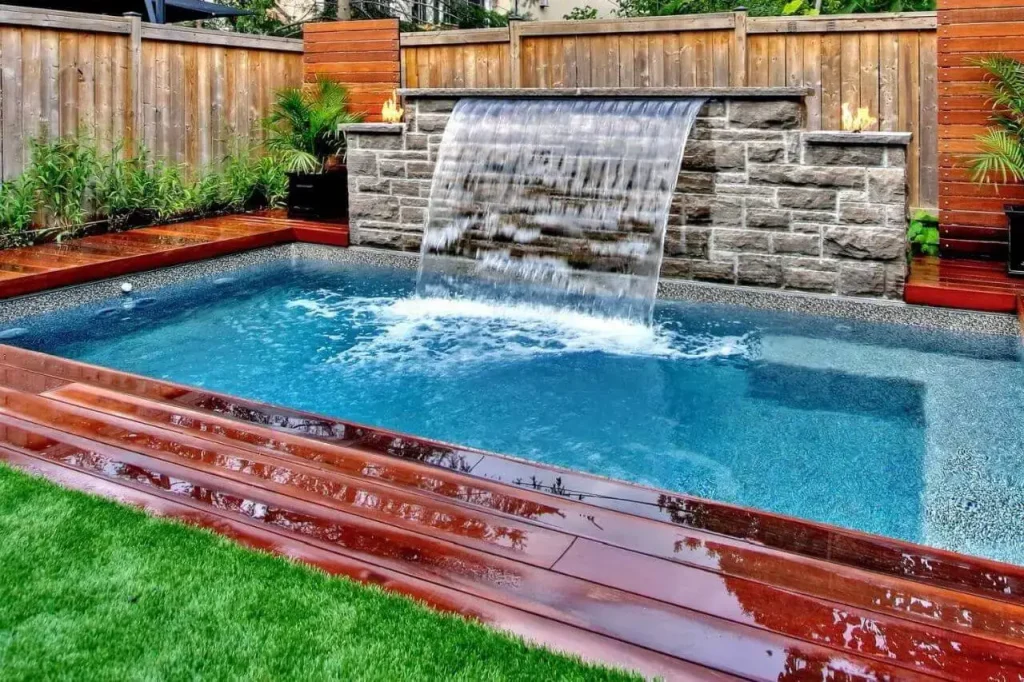
Looking to add a new dimension of style and relaxation to your home or outdoor living space with a stunning plunge pool? Then it’s essential to consider the costs involved, from the initial investment in heating and pool surround tiles to the ongoing maintenance and upkeep. But don’t let these costs deter you – with proper planning and budgeting, you can create a breathtaking oasis that provides years of enjoyment and tranquillity for you and your loved ones.
Here are a few things to consider:
Pool Heating
Whether you are installing a plunge pool for the first time or upgrading your existing pool, the costs of pool heating are important to consider. The types of heaters you install will have a large impact on your cost. Whether you opt for a solar, gas, or electric pool heater, these systems vary in price.
Request a Personalised Pool Cost Estimate →How heating affects your monthly power bill
Many first-time pool owners assume heating is cheap. Real users say otherwise.
Gas Heating:
- A typical 260–300 MJ gas heater can empty a large LPG bottle in 10–15 hours of run time.
- That means higher ongoing costs unless you’re on natural gas (rare for Brisbane).
Heat Pump:
- Brochure numbers rarely match real electricity usage.
- Owners report 3kW–5.5kW per hour when the unit runs at full power.
- Oversizing the heat pump is the best long-term strategy.
- Heat pumps work best with a thermal cover, not a bubble blanket.
Quotes from real owners:
“My X9 heat pump struggles on a 15,000L pool — I’d go bigger.”
“The heat pump almost always runs at full throttle; the efficiency numbers assume perfect conditions.”
Water Feature
Water features can include anything from simple water jets for hydrotherapy, and fountains to complex waterfall systems. No matter what your budget is, there’s a water feature that will fit your needs. Not only do water features add to the aesthetic of your pool, but they can also provide the perfect place for relaxation and contemplation.
Surround Tiles
If you want to make your entertainment area look larger, incorporating surround tiles is a great way to do it. There are plenty of pool tiles on the market that will meet your specific design requirements. They are available in a variety of colours and textures. The cost of tiles depends on the type of pool you are building.
Glass Pool Fencing
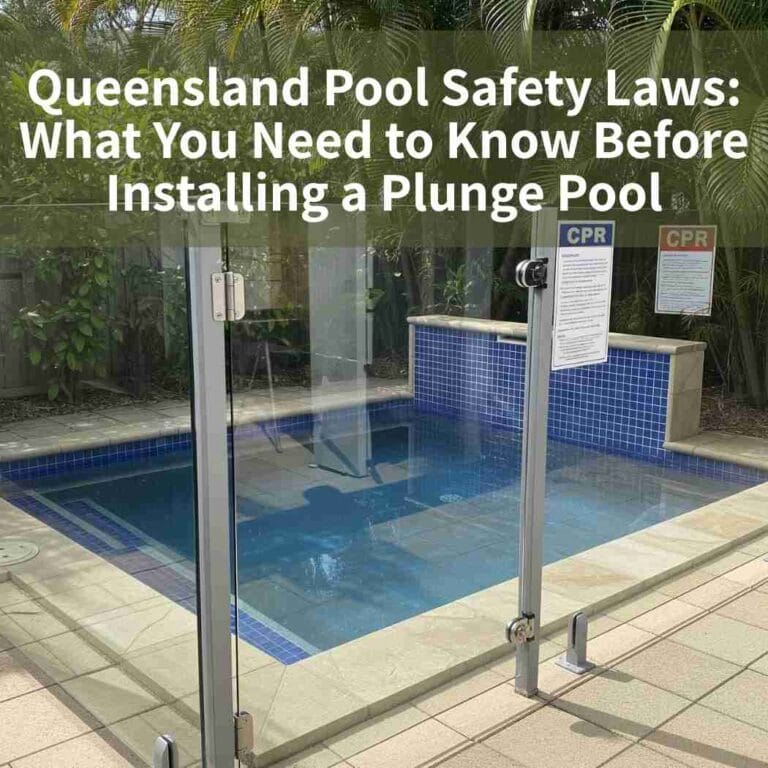
Glass pool fencing is a great way to combine safety and sophistication around your plunge pool, while also complying with Queensland fencing laws that apply to all residential pools.
If you’re looking to boost the value of your home while maintaining a clean and stylish aesthetic, frameless or semi-frameless glass fencing is a fantastic option.
When it comes to cost, prices will depend on the type of glass, height, and total length needed. On average:
- Frameless glass pool fencing typically costs $300 to $600 per metre installed
- Semi-frameless options range from $200 to $400 per metre installed
Tempered glass is the safest and most durable choice, although it sits at the higher end of the price range. If you’re considering alternatives like mesh or aluminium, they may be more budget-friendly, but aren’t always the best fit—especially for families with young children or pets.
Meeting Queensland fencing laws isn’t optional, and fencing costs are often underestimated when budgeting for a plunge pool in Brisbane.
Landscaping and Fencing Can Match the Cost of the Pool
Multiple homeowners were shocked to find:
- Glass fencing: often $450–$600 per metre
- Paving: easily $800–$1,500 per 10m², sometimes more
- Decking: $10k+ for even a small layout
- Retaining walls: thousands if soil levels need correction
One homeowner reported paying $25k for 30sqm of paving, more than some plunge pool shells.
Another said:
“Preparing the land around the pool cost almost as much as the pool itself.”
This is often the single biggest surprise for first-time buyers.
Pool Permits
Before installing a pool, it’s important to consider the cost of council permits. Permit requirements vary depending on the size, depth, and location of your pool, but you’ll typically need to factor in fees for building approval, certification, and sometimes site inspections. On average, expect to pay between $500 and $1,500 for the permit process. It’s always best to check with your local council to ensure you meet all legal requirements before the installation begins.
Worried About Permits? Let’s Make It Easy →Finding and Comparing Quotes for Plunge Pools
Not All Quotes Include the Same Items — Always Double-Check
Real homeowners often discovered missing items like:
- Fencing
- Water delivery
- Lighting upgrades
- Handover chemicals
- Temporary fencing
- Slab engineering
- Backwash plumbing
- Electrical cabling
- Pool covers
- Hardscape integration
One person shared that “their pool builder charged for water delivery but filled the pool using their garden hose.”
Another said “their temporary fence was removed before certification, which is illegal and dangerous.”
This insight reinforces the value of getting multiple quotes with identical scopes.
We understand that finding the right pool can be time-consuming and stressful. If you’re looking for the best options and are not sure what exactly you’re looking for, then give our friendly team a call who will be more than happy to give you a free consultation!
The on-going maintenance costs
As homeowners plan their plunge pool project, many begin weighing the long-term commitment beyond the upfront installation costs. Rural and acreage owners, in particular, highlight the importance of understanding the ongoing responsibilities that come with pool ownership, such as:
- Routine maintenance and cleaning
- Water chemistry balancing
- Pump and filtration running costs
- Heat pump energy use during winter
- Occasional repairs and equipment replacements
- Extra debris management for tree-dense properties
This perspective isn’t meant to discourage anyone, it simply helps future pool owners make a confident, well-planned decision. When you understand both the upfront and ongoing responsibilities, you can choose a plunge pool that truly fits your lifestyle and long-term goals.
While understanding the costs is the first step, choosing an experienced team is vital for a stress-free installation.
If you are looking for professional plunge pool builders in Brisbane, visit our Brisbane plunge pool installation page. We are a family-run pool company based in Brisbane specialising in plunge pools and have been transforming backyards for the past 20 years.
Ready To Build Your Pool? Contact Us →Conclusion
Installing a plunge pool in Brisbane in 2026 typically costs between $25,000 and $55,000 for most precast installations, while custom concrete pools can range from $50,000 to over $120,000 depending on design complexity, site access, and finishing features. While the pool shell is often the price homeowners focus on first, the true project cost usually includes excavation, crane access, plumbing, electrical work, fencing, paving, and landscaping.
Ready to Lock in Your Plunge Pool Budget?
The single most useful step you can take right now is to get a site-specific quote. Online estimates give you a ballpark, but Brisbane’s varied terrain, soil types, and access conditions mean that two properties two streets apart can have meaningfully different costs. Contact Plunge Pools Brisbane directly to discuss your block, your preferred pool type (precast, custom inground, or above-ground), and your budget parameters. A professional assessment on-site is the only reliable way to move from a rough estimate to a real number you can plan around.
Contact Our Team Now →What’s Next:
Once your plunge pool is installed, the next step is learning how to maintain it properly so it stays clean, safe, and efficient year-round.
In our next guide, Plunge Pool Maintenance, we explain everything new pool owners should know, including:
- How often plunge pools need cleaning
- The basics of water chemistry and balancing
- Pump and filtration maintenance
- Heating and energy usage
- Simple routines that keep maintenance quick and affordable
Understanding these essentials will help you protect your investment and keep your plunge pool in perfect condition for years to come.
Frequently asked questions
What is the cheapest plunge pool option available in Brisbane?
An above-ground precast concrete pool is typically the most affordable entry point, starting from around A$12,000 to A$15,000 installed.
Above-ground installations avoid significant excavation costs, and precast manufacturing keeps labour time on site minimal. You still need to factor in fencing, filtration, and electrical connection on top of this base price.
How long does a plunge pool installation take in Brisbane?
Precast plunge pools can be installed in one to three days on site, while custom inground concrete builds typically take six to twelve weeks from excavation to fill.
Custom builds involve multiple trades, curing time for concrete, and inspections at various stages. Weather events during the wet season can also extend timelines on open excavations.
Do I need council approval for a plunge pool in Brisbane?
Yes. All pools in Queensland, regardless of type or size, require building approval and must comply with pool safety barrier legislation.
Brisbane City Council processes most residential pool approvals, and a pool safety inspection is required before you can legally fill and use the pool. Fees vary but budget at least A$500 to A$1,500 for council-related costs.
Is a saltwater or chlorine system better for a Brisbane plunge pool?
Both work well in Brisbane’s climate, but saltwater chlorination is increasingly preferred for its lower chemical handling requirements and gentler feel on skin.
Saltwater systems cost more upfront but reduce ongoing chemical purchase costs. The salt cell requires replacement every three to five years, which is worth factoring into your long-term budget.
Can a plunge pool add value to my Brisbane property?
Yes, a well-installed plunge pool generally adds value in Brisbane’s market, particularly in inner-city suburbs where outdoor space is limited and lifestyle features are highly sought after.
According to the Real Estate Institute of Queensland, outdoor lifestyle features including pools are consistently cited by buyers as desirable, particularly in Brisbane’s inner suburbs. The actual value uplift varies by property type and location, so consulting a local agent before committing is wise.
Still Have Questions? Contact Our Team Now →