If you’ve been scrolling through backyard inspiration and landed somewhere between a bubbling spa and a proper plunge pool, you’re not alone. These two options look similar on the surface, but they serve genuinely different purposes, carry different price tags, and suit different Brisbane lifestyles. This article breaks down the real differences so you can make a confident and informed decision.
What Each Option Actually Is (And What It Isn’t)
Before comparing costs or features, it helps to understand what you’re actually buying.
Spa Pools
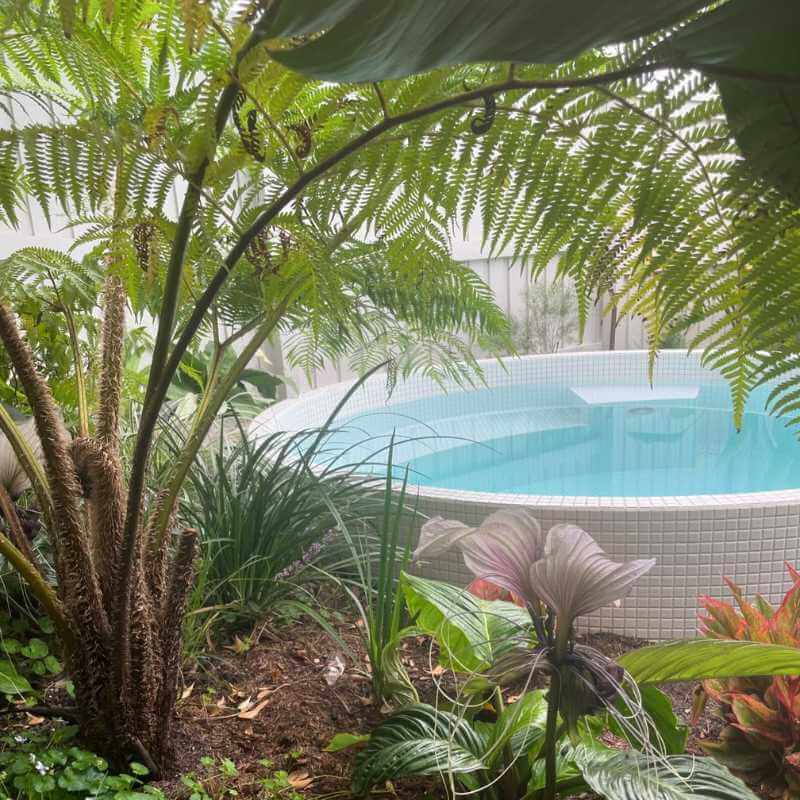
A spa pool, sometimes called a hot tub or portable spa, is a self-contained unit typically manufactured from acrylic or fibreglass. It’s filled with heated water, usually between 36°C and 40°C, and features multiple hydrotherapy jets designed to massage sore muscles and promote relaxation. Most spa pools hold between 800 and 2,000 litres of water and are designed to seat two to eight people.
Spa pools are almost always installed above ground, which makes placement flexible. They can sit on a deck, a concrete pad, or even inside a covered entertainment area. However, they are not designed for swimming, lap work, or cooling down on a hot Queensland afternoon.
Precast Plunge Pools
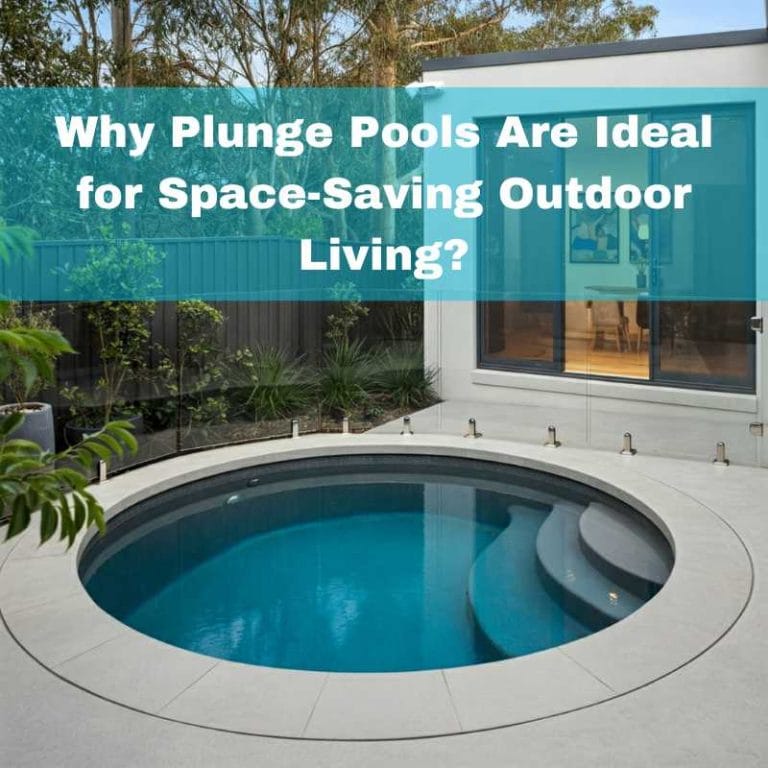
A precast plunge pool is a pool shell manufactured off-site, typically from high-strength reinforced concrete or fibreglass, and then delivered and installed in your yard. The precast process means the pool is formed in a controlled factory environment, which improves consistency and structural quality compared to pools poured or built entirely on-site.
Precast plunge pools come in a range of sizes, commonly from around 3 metres to 8 metres in length, and are installed either inground or above ground depending on your site conditions and preferences. They can be heated or chilled, making them useful year-round. Unlike a spa pool, they give you genuine swim space and can function as a cooling pool during Brisbane’s intense summer months.
Cost Comparison: Upfront Price vs Long-Term Value
One of the biggest deciding factors for most homeowners is cost, but the upfront price is only part of the picture.
Upfront Installation Costs
| Option | Typical Upfront Cost (AUD) | Installation Time |
|---|---|---|
| Portable Spa Pool | $5,000–$20,000 | 1–2 days |
| Precast Plunge Pool (above ground) | $15,000–$35,000 | 1–3 days |
| Precast Plunge Pool (inground) | $25,000–$60,000+ | 3–7 days |
| Custom Fibreglass Pool | $35,000–$80,000+ | 1–4 weeks |
A portable spa pool looks attractive at the lower end, but the gap narrows quickly when you factor in site preparation, fencing requirements, and optional extras like covers, steps, and water care systems.
Precast plunge pools from a specialist like Plunge Pools Brisbane tend to offer more predictable pricing because the manufacturing process is standardised. You know what you’re getting before it arrives on-site.
Ongoing Running Costs
This is where the comparison shifts significantly. Spa pools run hot constantly, which means your electricity bill reflects that. A standard spa pool running at 38°C costs approximately $50 to $150 per month in electricity, depending on the model, insulation quality, and how often you use it. That figure adds up to $600 to $1,800 per year.
A precast plunge pool, particularly one that isn’t heated year-round, typically costs $30 to $80 per month in electricity and chemicals. If you add a heating system, that increases, but you still have the option to turn it off entirely during Brisbane’s warm months when the water stays naturally comfortable.
Over a ten-year period, the running cost difference can easily exceed $10,000 in favour of the precast plunge pool.
Lifestyle Fit: Who Each Option Is Really For
The honest truth is that neither option is universally better. They suit different people.
Spa Pools Work Well For:
- People who use hydrotherapy regularly for back pain, arthritis, or sports recovery
- Households where the primary use case is evening relaxation for two to four adults
- Renters or homeowners who may need to relocate the unit
- Properties with limited excavation access or heritage overlay restrictions
Precast Plunge Pools Work Well For:
- Families who want a space for kids to splash and adults to swim
- Homeowners in Brisbane who want year-round use, including summer cooling
- People focused on property value, as a built-in pool typically adds more resale appeal
- Those who want a low-maintenance, long-lasting structure with a lifespan of 30 to 50 years
According to the Australian Bureau of Statistics, Queensland consistently has one of the highest rates of residential pool ownership in the country, which reflects how central outdoor water features are to the lifestyle here. That context matters when thinking about resale value.
Installation: What the Process Actually Looks Like
Understanding the installation process helps you plan realistically, particularly around site access, council approval, and timing.
Spa Pool Installation
Installing a portable spa pool is relatively straightforward. You need:
- A flat, reinforced surface capable of bearing 1,500 to 3,000 kg when full
- A dedicated electrical circuit (typically 15A or 32A depending on the model)
- A compliant pool fence if the spa is accessible to children under five
- A cover and drainage plan
Most spa pools can be operational within a day or two of delivery.
Precast Plunge Pool Installation
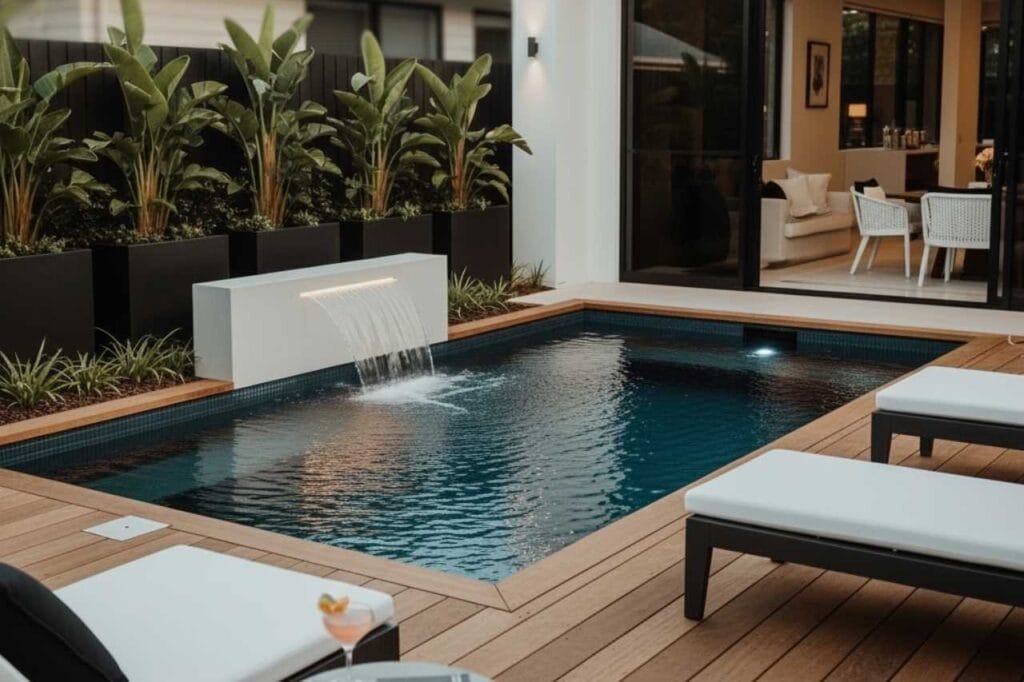
Precast plunge pool installation is more involved but still faster than traditional in-ground construction. The typical process looks like this:
- Site assessment and soil testing
- Council approval and certification (required in most Brisbane suburbs)
- Excavation for inground installation or base preparation for above ground
- Crane or delivery truck placement of the precast shell
- Plumbing and electrical connections
- Backfill, waterproofing, and finishing
- Fencing, lighting, and landscaping integration
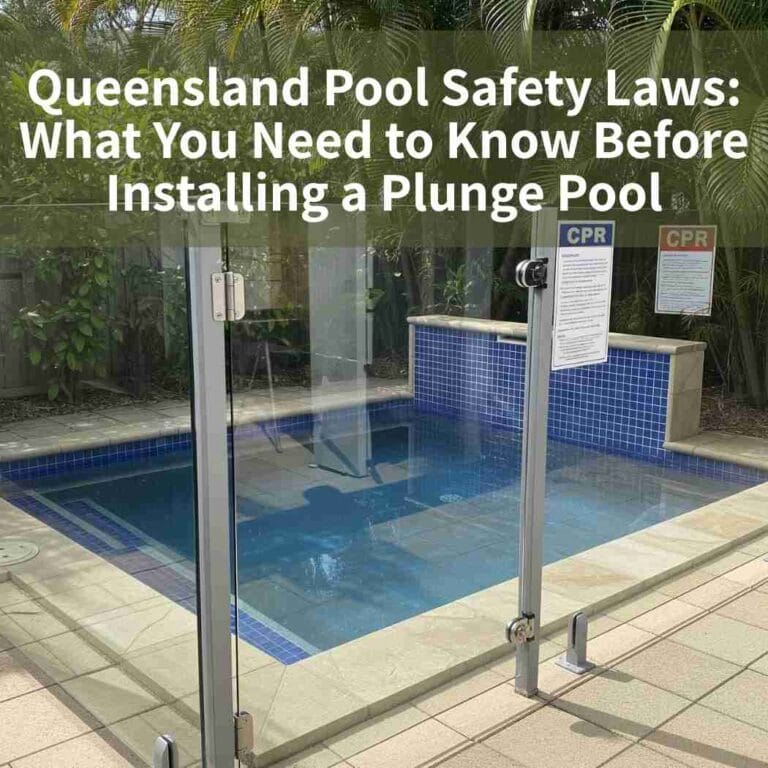
A specialist team like Plunge Pools Brisbane handles inground plunge pool and above ground plunge pool installations across Brisbane. The precast model means the shell itself is ready to go on delivery day, significantly cutting the timeline compared to poured concrete builds.In terms of council requirements, all swimming pools and spa pools in Queensland must comply with the Queensland Government’s pool safety laws, including registration on the Queensland Pool Safety Register and a compliant barrier around the pool.
Maintenance and Longevity
Spa Pool Maintenance
Spa pools require regular maintenance to keep the water safe and the jets functioning properly. You’ll typically need to:
- Test and balance water chemistry two to three times per week
- Drain and refill the spa every three to four months
- Clean the filters monthly
- Service the jets and heating system annually
Because spa pools hold a relatively small volume of water that’s constantly heated, contamination builds up faster than in a larger pool. This means more frequent chemical adjustments and water changes. The average spa pool has a lifespan of 10 to 15 years before significant mechanical or shell repairs are needed.
Precast Plunge Pool Maintenance
A precast plunge pool requires less frequent water changes because of its larger volume and the option to use a saltwater or mineral system. Typical maintenance includes:
- Weekly chemical checks
- Filter cleaning every two to four weeks
- Annual professional inspection
- Occasional resurfacing after 15 to 20 years
A well-installed precast plunge pool can last 30 to 50 years with proper care, making it a long-term asset rather than a medium-term appliance.
Things to Know
- Fencing is mandatory for both. In Queensland, any pool or spa that can hold more than 300mm of water requires a compliant safety barrier, regardless of whether it’s above ground or inground.
- Spa pools depreciate like appliances. A spa pool loses value over time and is unlikely to contribute to your property’s sale price in the same way a built-in pool does.
- Precast doesn’t mean limited choice. Precast plunge pools are available in a wide range of shapes, finishes, and sizes. Custom plunge pool options exist for non-standard dimensions or specific site requirements.
- Brisbane’s climate is ideal for plunge pools. Summers are hot and humid, which means a cooled or unheated plunge pool gets genuine year-round use without necessarily needing a heater.
- Heating both options costs money. If you plan to use your water feature through Brisbane’s mild winters, budget for a heat pump or solar heating system regardless of which option you choose.
- Access matters more than you think. If your yard has narrow side access or a steep slope, above ground plunge pool installation may be the more practical and cost-effective solution than full excavation.
Conclusion
If you want targeted hydrotherapy, quick installation, and portability, a spa pool is a practical option. But if you’re investing in your Brisbane property for the long term, want genuine swimming space, and prefer lower running costs over time, a precast plunge pool delivers more value on almost every measure.
Plunge Pools Brisbane specialises in precast plunge pool installation across Brisbane, with options ranging from compact above ground models to fully custom inground builds. Reach out to their team to get a real assessment of your block and find the option that fits your life, not just your wishlist.
Ready to Choose the Right Pool for Your Brisbane Backyard?
Contact Plunge Pools Brisbane for an obligation-free site assessment. Their team installs precast plunge pools across Brisbane, including inground, above ground, and custom configurations, and can give you a clear, itemised quote based on your actual block and requirements. Getting a professional assessment before you commit to any option is the single most useful step you can take right now.
Frequently Asked Questions
Can a precast plunge pool be heated to the same temperature as a spa pool?
Yes, a precast plunge pool can be heated, but it’s not typically designed to reach spa pool temperatures of 38°C to 40°C.
Most plunge pool heaters bring the water to a comfortable 28°C to 32°C, which is ideal for swimming and relaxation. Reaching spa-like temperatures in a larger volume of water is expensive and energy-intensive, so if hydrotherapy at high heat is your main goal, a dedicated spa pool is more efficient.
Do I need council approval for a spa pool in Brisbane?
Yes, most spa pools in Brisbane still require council notification and must comply with Queensland’s pool safety barrier laws.
Even portable spa pools that hold more than 300mm of water must have a compliant fence or barrier. You should also check whether your local council requires a development application, particularly if you’re adding a permanent structure or deck around the spa.
How long does it take to install a precast plunge pool?
A precast plunge pool installation typically takes between one and seven days depending on whether it’s above ground or inground.
Above ground installations are faster because they don’t require excavation. Inground installations involve site preparation, council inspections, and backfilling, which adds time. Either way, the precast process is significantly faster than traditional concrete pool construction.
Is a spa pool vs precast plunge pool comparison relevant for small backyards?
Both options are available in compact sizes that suit small Brisbane backyards, but a precast plunge pool generally makes better use of limited space.
A small precast plunge pool can double as a cooling pool, exercise pool, and entertaining feature. A spa pool only serves one function. If your yard is tight, a custom plunge pool designed for your exact dimensions is often the most efficient use of the available space.
Which option adds more value to a Brisbane property?
An inground precast plunge pool typically adds more resale value to a Brisbane property than a portable spa pool.
Built-in pools are treated as permanent improvements to the property, while spa pools are considered movable goods. In Brisbane’s competitive property market, a well-presented inground plunge pool with landscaping can add meaningful value at sale, particularly in family-oriented suburbs.