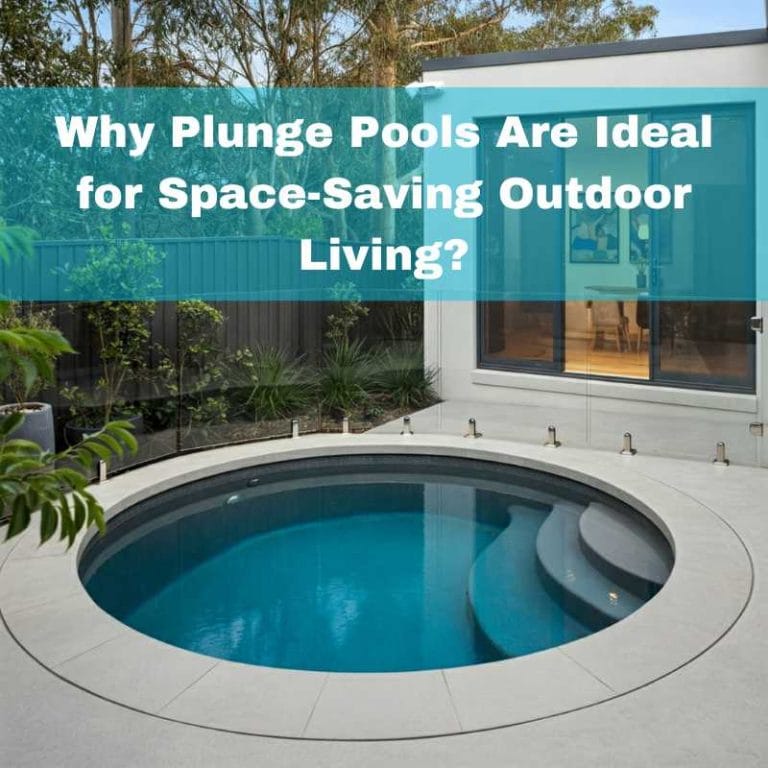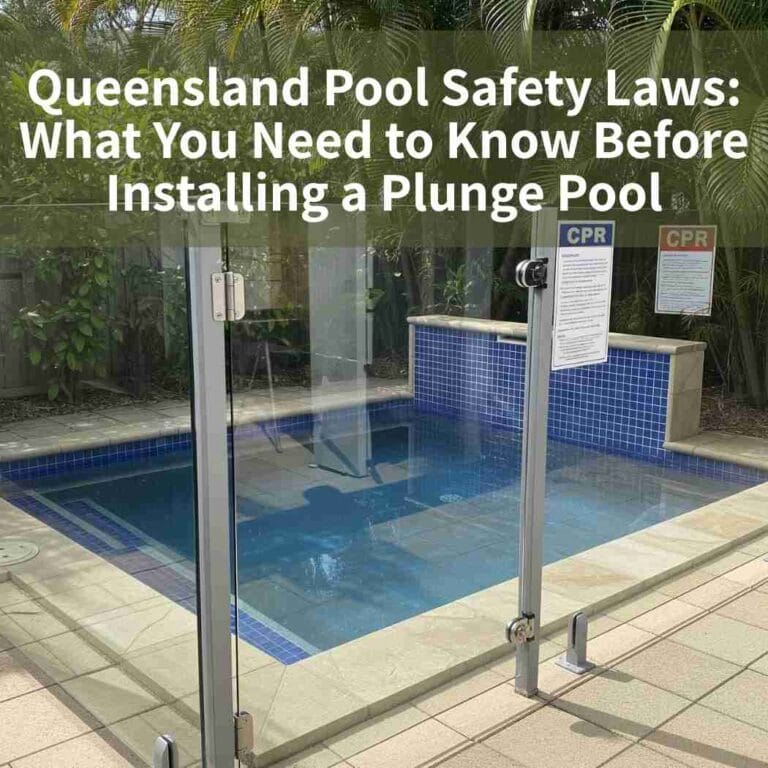
For many Brisbane homes with compact blocks or narrow lots, rectangular, circular and L-shaped plunge pools are among the most practical options. Each offers different advantages depending on the layout of your property, making it important to consider how the pool will fit your space rather than simply choosing the smallest design available.
Why Pool Shape Matters More Than Pool Size
When planning a plunge pool, it’s easy to focus on dimensions. While size is important, the shape of the pool often has a greater impact on how well it fits your backyard and how functional the space feels once it’s installed. To understand how choosing the right size and shape can transform a tiny yard, read our guide on why plunge pools are ideal for space-constrained Brisbane backyards.
A well-chosen shape can improve access around the pool, preserve space for outdoor living and make the backyard feel larger than it actually is. On the other hand, selecting the wrong layout can create awkward corners, restrict movement or reduce the usable space for entertaining, gardens or other outdoor features.
Pool shape can also influence practical considerations such as boundary setbacks, fencing requirements and the overall layout of your property. For example, a long rectangular pool may suit a narrow side yard, while a circular or L-shaped design may be better suited to backyards with a less conventional layout.
Rather than asking which pool shape is the most popular, it’s more useful to ask which one makes the best use of your available space. The right choice depends on your property’s dimensions, existing structures and how you intend to use the pool.
Choosing the Right Pool Shape for Your Backyard
There isn’t a single pool shape that’s right for every Brisbane property. The best option depends on how your backyard is laid out, the available space around your home and how you want to use the pool once it’s installed.
Before deciding on a shape, consider the following:
- The size and proportions of your backyard. A narrow side yard often suits a rectangular pool, while a wider courtyard may accommodate a circular or oval design more comfortably.
- Existing structures and outdoor spaces. Patios, retaining walls, gardens and boundary fences can all influence where a pool can be positioned and which shape makes the most efficient use of the available space.
- How you plan to use the pool. If you want room for light exercise, a rectangular pool usually provides the longest uninterrupted swimming area. If your priority is relaxing or entertaining, other shapes may better complement your outdoor layout.
- Future plans for the backyard. Think about how the pool will work alongside outdoor dining areas, walkways or any landscaping you plan to add later. Choosing a shape that complements the overall layout can help create a more practical and cohesive outdoor space.
Once you’ve considered these factors, it becomes much easier to narrow down the pool shape that best suits your property.
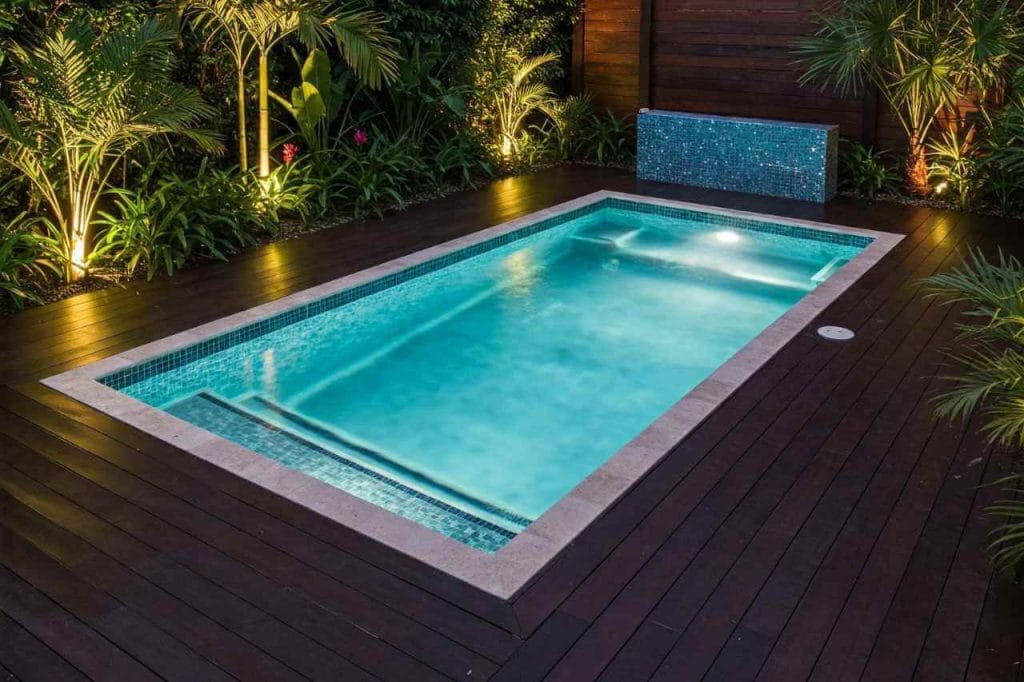
Rectangular Plunge Pools
Rectangular plunge pools are the most popular choice for Brisbane backyards with limited space because they make efficient use of long, narrow areas. Their clean, straight lines allow them to sit neatly alongside boundary fences, patios or the side of a house, making them well suited to modern residential blocks.
They are an excellent option if your property has a narrow backyard or if you want to maximise the amount of usable swimming space within a compact footprint. Their simple shape also makes it easier to integrate paving, coping and pool fencing without creating awkward gaps around the pool.
Advantages
- Maximises swimming area within a compact footprint.
- Ideal for narrow lots and side yards.
- Simple to fence and landscape around.
- Compatible with most precast plunge pool designs.
Things to Consider
A rectangular pool is practical for most properties, but it may not be the best fit for unusually shaped backyards where a more flexible layout could make better use of the available space.
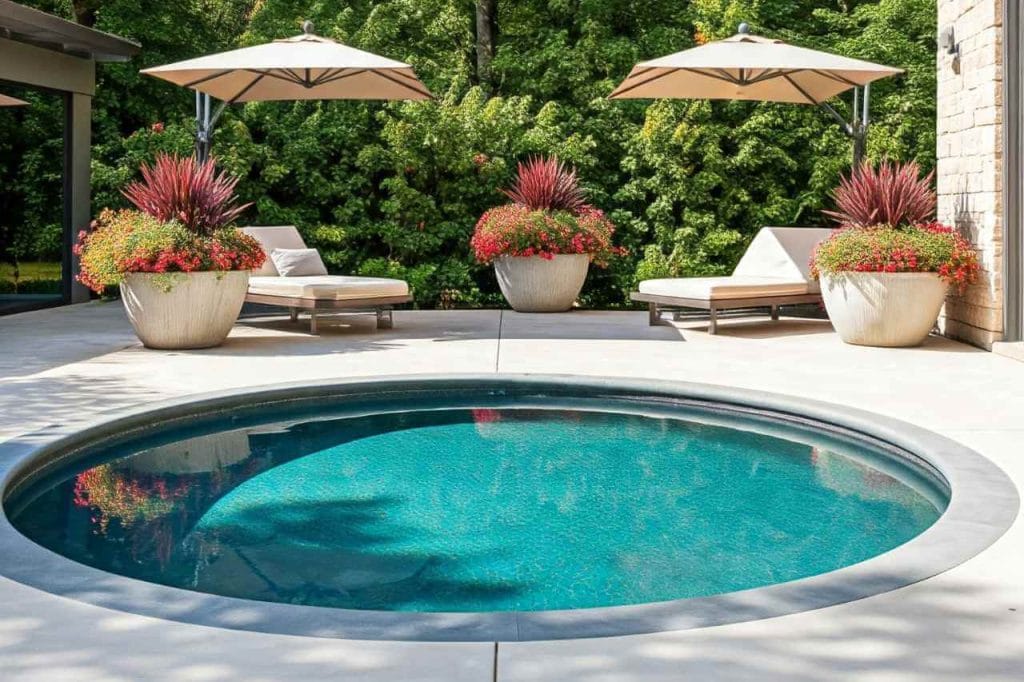
Circular and Oval Pools
Circular and oval plunge pools work best in backyards with a more balanced or open layout. Rather than running along a boundary, these shapes are often positioned as a central feature, creating a natural gathering point within the outdoor area.
They are particularly suited to homeowners who prioritise relaxation over swimming laps. Their softer curves can create a less formal appearance and work well in courtyards where there is enough surrounding space to move comfortably around the pool.
Advantages
- Complements square or open backyard layouts.
- Creates a central feature for entertaining areas.
- Soft curves provide a different visual style from traditional rectangular pools.
Things to Consider
Because circular and oval pools require curved fencing, covers and coping, installation costs may be higher than a comparable rectangular design. They also provide less uninterrupted swimming space despite occupying a similar footprint.
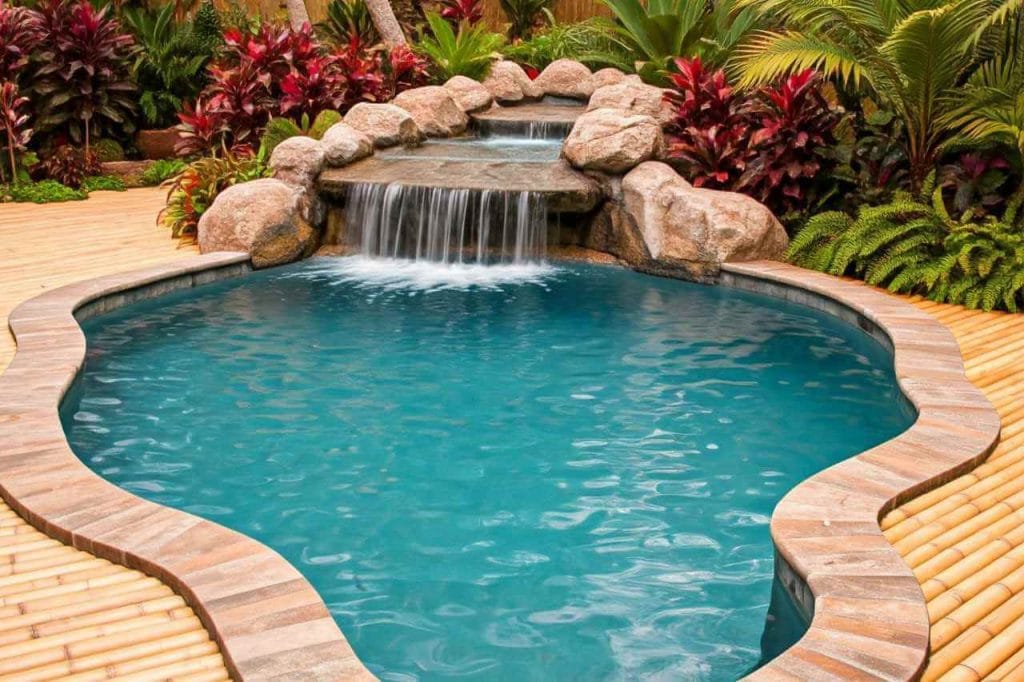
Freeform and Kidney-Shaped Pools
Freeform and kidney-shaped plunge pools are designed to work with properties that don’t suit a conventional layout. Their flowing curves allow the pool to be positioned around existing trees, retaining walls or outdoor living areas where a straight-edged design may not fit as efficiently.
These shapes are often chosen for their appearance as much as their practicality, creating a more natural look that blends with the surrounding landscape.
Advantages
- Adapts well to irregular backyard layouts.
- Can work around existing site features.
- Creates a softer, more natural appearance.
Things to Consider
Requires on-site custom concrete construction, which involves a longer build timeline and a higher budget than precast. Their curved shape can also increase water volume, which may lead to higher ongoing maintenance and heating costs.
L-Shaped Pools
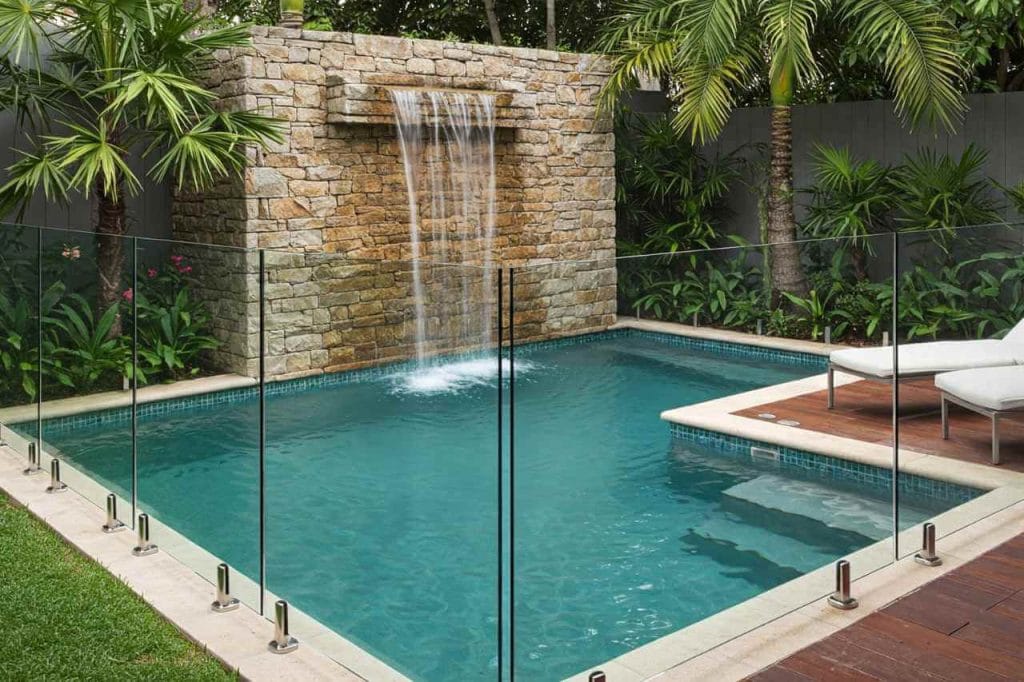
An L-shaped plunge pool is a practical solution for backyards where the available space wraps around part of the house or another outdoor structure. Instead of occupying one continuous area, the pool follows the layout of the property, making better use of otherwise difficult spaces. If you are dealing with a tight, wrapping courtyard space, discover our landscaping ideas for small pools in Brisbane to see how to finish the look.
This design can also create separate zones within the pool, allowing one area to be used for relaxing while another provides more room for swimming or family use.
Advantages
- Makes efficient use of irregular backyard layouts.
- Creates separate functional areas within the pool.
- Works well on properties with complex footprints.
Things to Consider
L-shaped pools are typically more complex to design and construct than standard rectangular pools. They may also require additional planning to ensure the layout complies with boundary setbacks and fencing requirements.
Comparing Pool Shapes at a Glance
Each pool shape has its own strengths depending on your property’s layout and how you plan to use the space. Rather than asking which shape is best overall, consider which one best suits your backyard and lifestyle.
| Pool Shape | Best For | Main Advantage | Things to Consider |
|---|---|---|---|
| Rectangular | Narrow lots, side yards and modern homes | Maximises swimming space and is easy to integrate into most backyards | Less suited to irregularly shaped blocks |
| Circular & Oval | Square courtyards and entertaining spaces | Creates a central feature with a softer appearance | Curved fencing and covers may increase costs |
| Freeform & Kidney | Irregular blocks with existing landscape features | Adapts around gardens, trees and outdoor structures | Usually requires custom construction and higher budgets |
| L-Shaped | Homes with complex footprints or corner layouts | Makes better use of awkward spaces and creates separate activity zones | More complex to design and build |
No single pool shape is right for every Brisbane property. A professional site assessment can help determine which layout works best with your block dimensions, boundary setbacks and existing outdoor areas before construction begins.
Things to Know
Before deciding on a pool shape, there are a few practical considerations that can influence what is suitable for your property.
- Boundary setbacks matter. Pool placement must comply with Queensland’s fencing and setback requirements, which may affect the shapes that are practical for your block.
- Think beyond the pool itself. Leave enough space for walkways, maintenance access and outdoor living areas so the backyard remains functional after the pool is installed.
- Site access can influence your options. Narrow side access, retaining walls or established landscaping may affect how a pool can be delivered or constructed.
- Consider long-term maintenance. Simpler shapes are generally easier to clean, while more complex designs may require custom covers and accessories.
- Plan for the future. Choosing a pool shape that works with future landscaping or outdoor improvements can help avoid costly changes later.
Conclusion
The best pool shape for a Brisbane backyard depends on the size and layout of your property, how you plan to use the pool and the space you want to preserve around it. While rectangular plunge pools remain the most versatile option for compact blocks, circular, freeform and L-shaped designs can be the better choice for properties with unique layouts or specific design goals.
Taking the time to choose the right shape can improve the functionality of your backyard, simplify installation and ensure the pool complements the rest of your outdoor space. A professional site assessment can help identify the most practical solution based on your property’s dimensions, access and council requirements.
Ready to Find the Right Pool Shape?
Every backyard is different, and choosing the right pool shape starts with understanding your available space. At Plunge Pools Brisbane, we assess your property’s layout, site access and boundary requirements before recommending a design that suits both your backyard and the way you plan to use it.
Contact our team today to arrange a no-obligation site assessment and discover which plunge pool shape is the best fit for your Brisbane home.
Frequently Asked Questions
What is the smallest pool shape that is still practical for swimming?
A rectangular plunge pool measuring around 3 metres by 5 metres is generally considered the minimum size for practical use. This provides enough space for cooling off, hydrotherapy and light exercise while remaining suitable for many Brisbane backyards with limited space. The ideal dimensions will still depend on your property’s layout and intended use.
Do I need council approval for a plunge pool in Brisbane?
Yes. Most plunge pool installations in Brisbane require building approval and must comply with Queensland’s pool safety and fencing regulations. Approval requirements can vary depending on your property’s location and the scope of the installation, so it’s important to confirm the applicable requirements before construction begins.
Are circular plunge pools suitable for small Brisbane backyards?
Yes, particularly for square or compact courtyards where there isn’t a long, narrow area available. A circular plunge pool can create a balanced focal point while leaving usable space around the corners for seating, gardens or other outdoor features. However, curved shapes may require custom fencing and pool covers, which can increase installation costs.
Which pool shape works best on a sloping block?
There isn’t a single shape that’s best for every sloping block. The right choice depends on the slope, available space and the overall layout of your property. Rectangular pools are often the simplest solution, while L-shaped or custom-designed pools may work better where the backyard has an irregular footprint. A site assessment can help determine which shape makes the most efficient use of the available space.
Which pool shape is the easiest to maintain?
Rectangular plunge pools are generally the easiest to maintain because their straight sides allow robotic pool cleaners to move more efficiently and make it easier to fit standard pool covers. While all plunge pools require regular cleaning and water treatment, simpler shapes usually involve less ongoing maintenance than more complex curved designs.