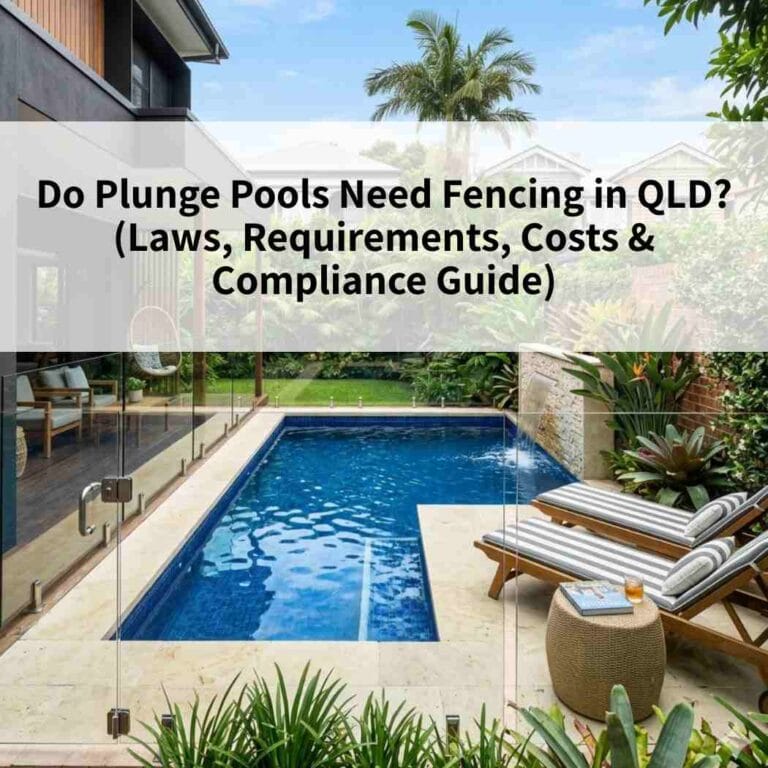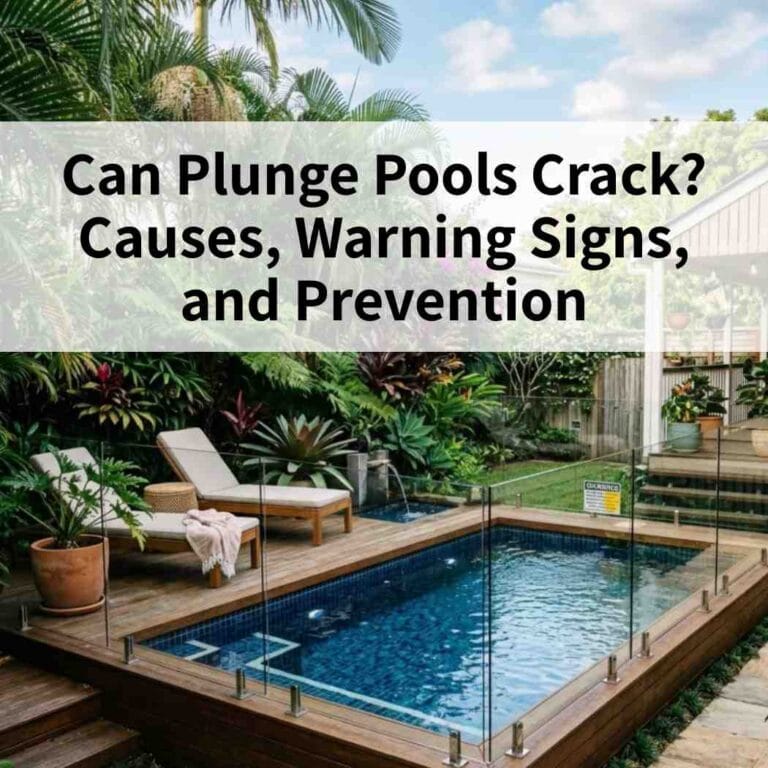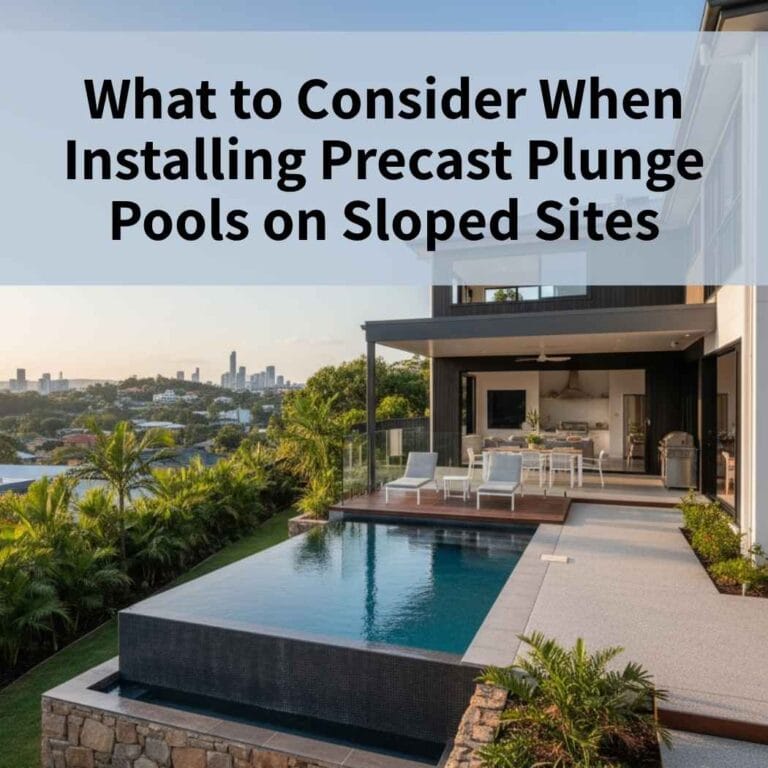
At Plunge Pools Brisbane, we help homeowners design and install plunge pools that meet all QLD pool fencing laws from day one. Our team understands local Brisbane council requirements, QBCC regulations, and the Australian Standard AS1926. We focus on building safe, compliant plunge pools without delays or costly mistakes.
In this guide, you will learn exactly when fencing is required, what counts as a pool under QLD law, how pool barrier compliance works, and how to avoid failing inspection. We will also explain costs, approval steps, and how to make your plunge pool fully compliant the first time.
What Counts as a Pool in QLD?
A pool is anything that can hold 300mm of water or more. This includes:
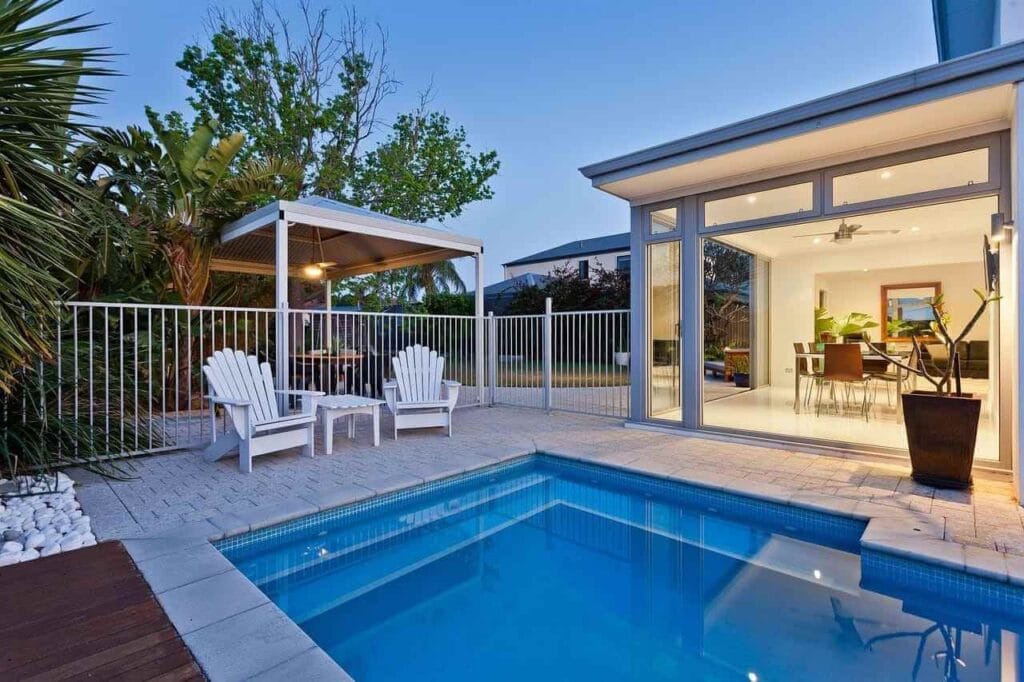
- Plunge pools
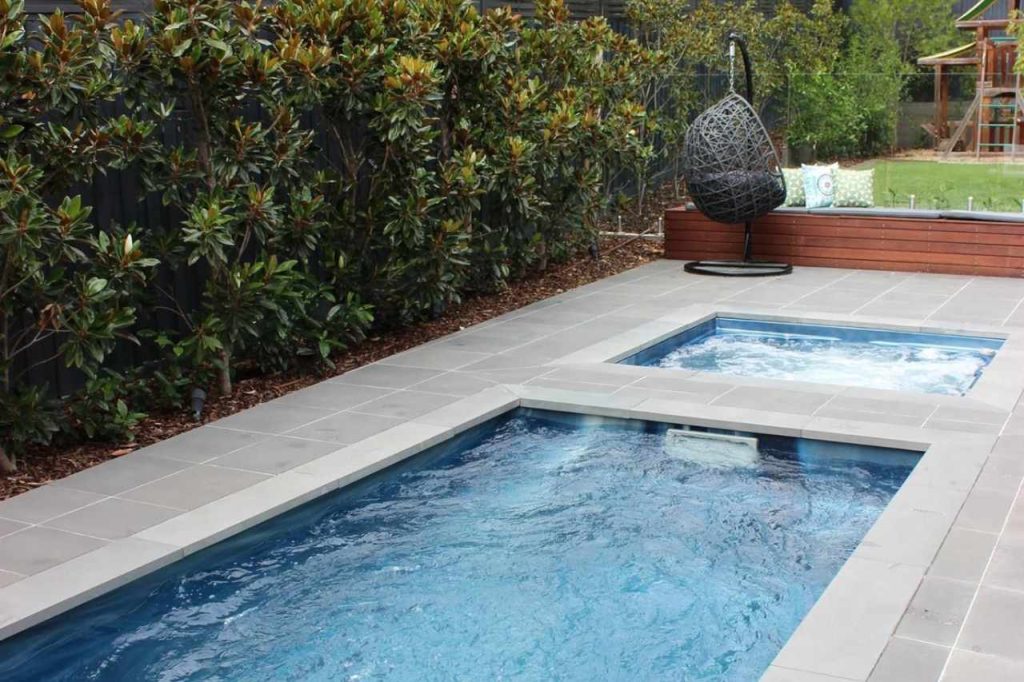
- Spas and hot tubs
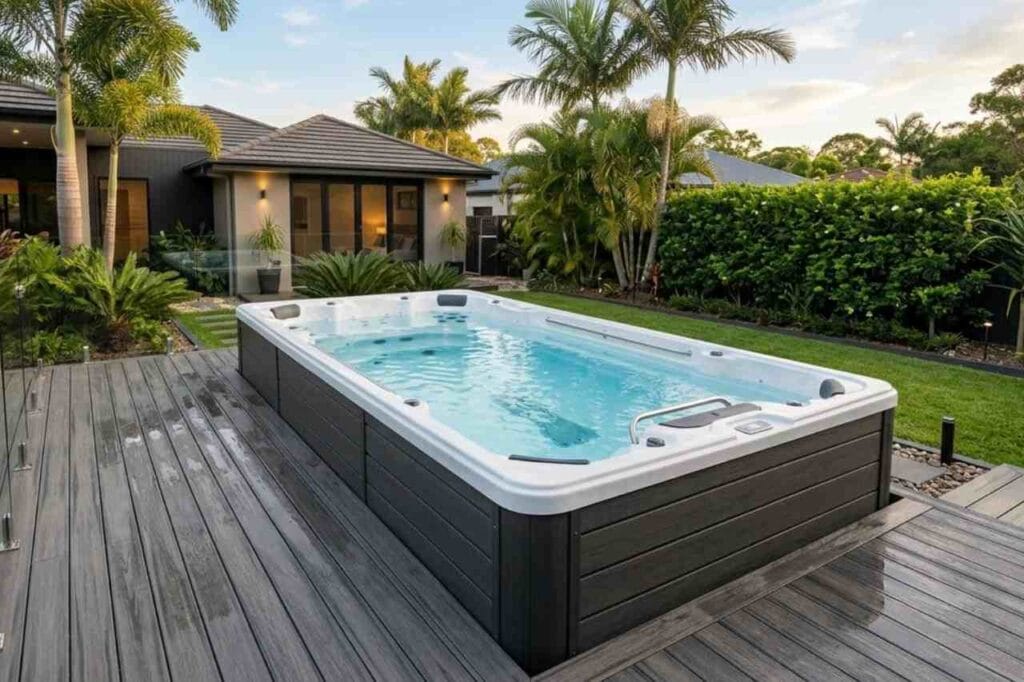
- Swim spas
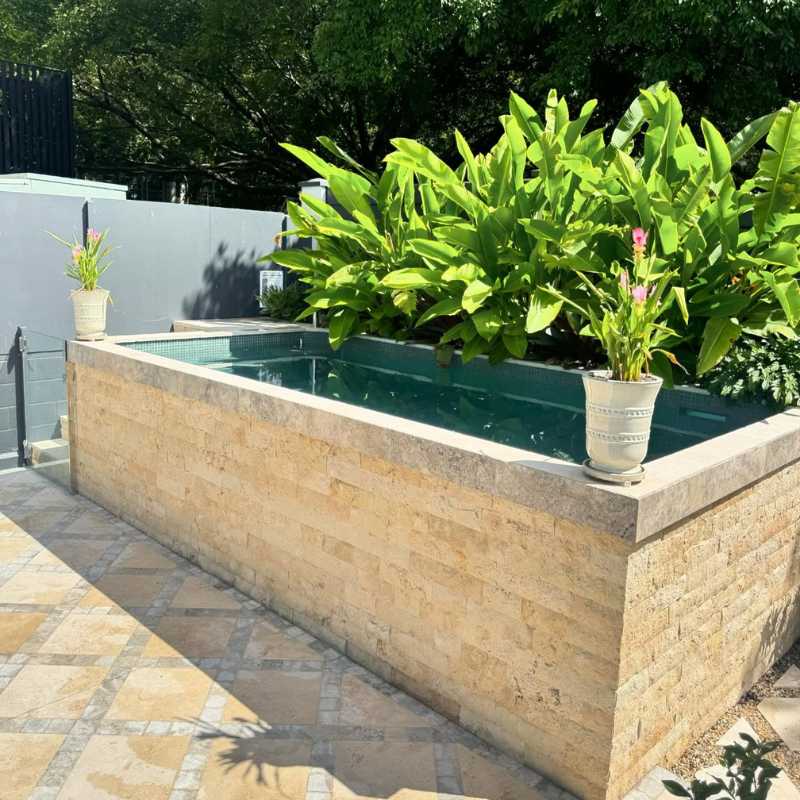
- Above-ground pools
- Inflatable pools
Key takeaway: If it holds 300mm of water, it needs a fence. This applies regardless of whether the pool is permanent or portable.
Why Pool Fencing Laws Exist
Pool fencing laws are designed to protect children from drowning. In Queensland, drowning is the leading external cause of death for children under five. A compliant pool fence:
- Stops unsupervised access
- Reduces accidents
- Helps your pool pass inspection
You also need a pool safety certificate to sell or rent your home. For non-shared residential pools, these certificates are valid for two years.
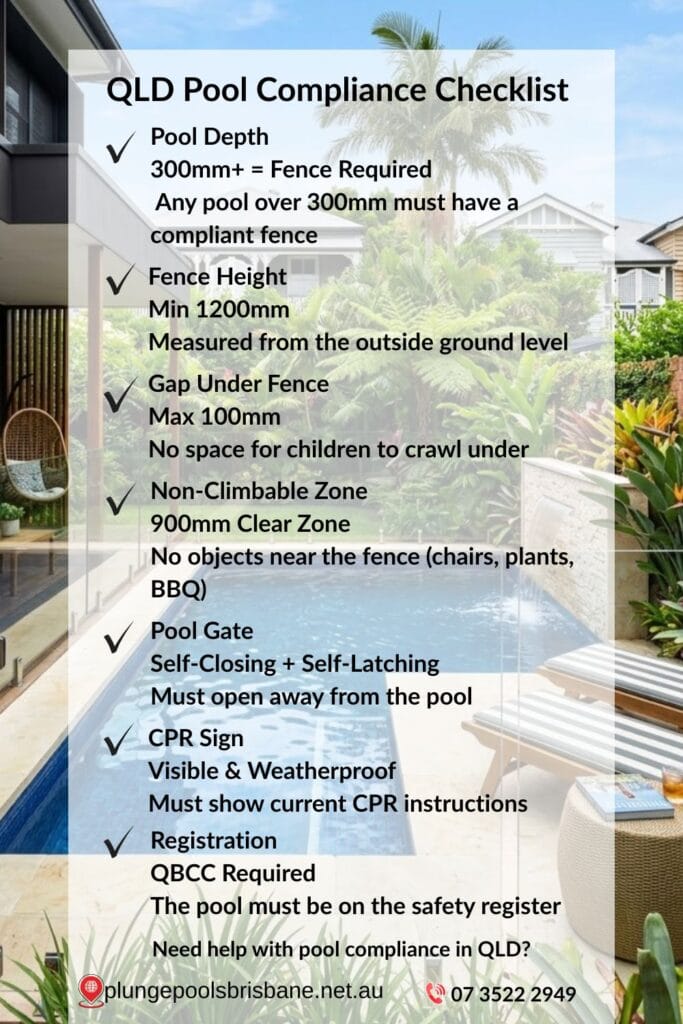
QLD Pool Fencing Requirements (Checklist)
Your pool fence must meet these rules:
- Minimum height: 1200mm from finished ground level.
- Gap under fence: Max 100mm.
- Non-climbable zone (NCZ): A 900mm clear arc on the outside of the fence.
- Vertical gaps: No more than 100mm to stop children from passing through.
- Gate: Must be self-closing and self-latching from any position.
- Gate Direction: Must open away from the pool area.
- Latch height: At least 1500mm above ground or 1400mm above the highest lower horizontal rail.
Important: If one rule fails, your pool will not pass inspection.
How Pool Inspections Work
A licensed inspector checks if a child can get into the pool. They will:
- Measure fence height and gaps.
- Test the gate’s self-closing and self-latching mechanisms.
- Check the NCZ for climbable objects.
- Verify the presence of a compliant CPR sign.
If access is possible or the gate fails to latch from a resting position, the fence fails.
Why Do Pool Fences Commonly Fail?
Most failures come from small, avoidable issues:
- Objects near the fence: Chairs, BBQs, plants, or pool pumps within the 900mm NCZ.
- Gate issues: Gates that sag or hinges that lose tension, preventing the latch from clicking.
- Gaps: Ground erosion or garden mulch being moved, creating gaps larger than 100mm under the barrier.
- Incorrect latch height: Latches placed too low or accessible through gaps.
- Non-compliant boundary fence: Using a standard 1.2m boundary fence without necessary modifications.
Tip: Check everything before inspection to avoid re-inspection fees and delays.
Pool Fence Types Compared
| Fence Type | Approx. Cost (per m) | Compliance Risk | Best For |
| Glass | $200–$600+ | Low | Premium homes & views |
| Aluminium | $150–$300 | Medium | Most homes & durability |
| Boundary | Low (existing) | High | Budget setups (requires mods) |
Quick takeaway: Aluminium offers the best value and is low maintenance. Glass has the lowest risk of climbing because there are no footholds.
Do Above-Ground Plunge Pools Need Fencing?
Yes. The height of the pool wall does not matter. Even if the pool is 1.2m high itself, it typically cannot serve as its own barrier unless it meets very specific vertical and non-climbable requirements. In almost every case, a separate, compliant fence is required.
Can You Use a Boundary Fence?
Yes, but it must meet much stricter standards than a standard internal pool fence.
- Height: Must be at least 1800mm high on the pool side.
- NCZ: The 900mm non-climbable zone is measured on the inside (pool side) of the boundary fence.
- Risks: Shared with neighbours who might place climbable objects on their side.
Better option: Install a dedicated pool fence for more control and lower risk.
Approval Process (Step-by-Step)
- Get Building Approval: Engage a private certifier before construction starts.
- Install Temporary Fencing: Ensure the site remains secure during construction.
- Build Pool and Fence: Follow the approved plans exactly.
- Register the Pool: Add your pool to the QBCC Pool Safety Register.
- Book Inspection: Have a licensed inspector check the final barrier.
- Get a Safety Certificate: Receive your Form 23.
How Long Does Compliance Take?
Most Brisbane projects take 2 to 6 weeks from fence installation to final certification. Delays happen when the fence is non-compliant or the gate fails, requiring rework and a second inspection.
What Are the CPR Signage Requirements for Pools?
You must install a compliant CPR sign. It must:
- Be clearly visible from the pool area.
- Show correct, up-to-date resuscitation instructions.
- Be durable, weather-resistant, and at least 300mm x 450mm.
Missing or faded signage is a guaranteed failed inspection.
What Are Pool Fencing Costs in QLD (2026 Estimates)?
Typical professional installation costs in Brisbane:
- Aluminium: $150–$300 per linear metre.
- Semi-Frameless Glass: $200–$275 per linear metre.
- Frameless Glass: $275–$600+ per linear metre.
- Gates: Often $300–$800+ extra depending on the hardware.
Key insight: Cheaper materials may require more maintenance or more frequent adjustments to stay compliant.
What Happens If You Don’t Comply?
Non-compliance is a serious legal matter. You may:
- Receive on-the-spot fines exceeding $2,000 for individuals.
- Be issued with an enforcement notice from the local council.
- Face significant delays when trying to sell or lease your property.
- Face insurance complications if an accident occurs.
Special Cases
- Indoor pools: Doors must not open directly into the pool area. Windows must be fixed or screened.
- Portable pools: If they can hold 300mm of water, they require the same 1.2m fencing as a permanent pool.
- Spas: Must have a compliant fence. A lockable lid is only an “extra” and does not replace the requirement for a fence in QLD.
What Are the Rules for Pool Fence Maintenance?
You must keep your fence compliant at all times, not just during inspection. Check regularly:
- Gate Test: Open the gate slightly and let it go. It must latch every time.
- Vegetation: Trim branches or shrubs that have grown into the 900mm NCZ.
- Ground Level: Ensure garden beds haven’t been built up, reducing the fence height to less than 1.2m.
Conclusion
A plunge pool in Queensland needs fencing if it holds 300mm or more of water. This is a legal requirement that ensures safety, allows building approval, and protects your property value.
If you are planning a plunge pool in Brisbane, the best step is to get expert guidance early. At Plunge Pools Brisbane, we design and install pools that meet all fencing and compliance requirements from the start.
If you want a plunge pool that is safe, approved, and built right the first time, check out our previous article on how to prevent cracks – the causes and warning signs. In our next article we’re answering the question whether or not plunge pools can be built on decks – don’t miss out!
FAQs
1. Do I need council approval before installing a plunge pool in Brisbane?
Yes, you need building approval before installing a plunge pool in Brisbane. You can apply through the council or a private certifier.
2. How much does a compliant pool fence cost in Brisbane?
A compliant pool fence in Brisbane usually costs $200 to $700 per metre.
3. Can I use my existing boundary fence as a pool fence in QLD?
Yes, you can use a boundary fence, but it must meet pool safety standards.
4. What do pool inspectors check during a pool safety inspection?
Pool inspectors check fence height, gaps, gate function, and climbable zones. They assess if a child can access the pool.
5. How do I make sure my plunge pool passes inspection the first time?
Plan your pool and fence together from the start. Use compliant materials, comply with AS1926 standards, and verify gate function and clear zones. A proper setup reduces risk and helps you pass inspection without delays or rework.