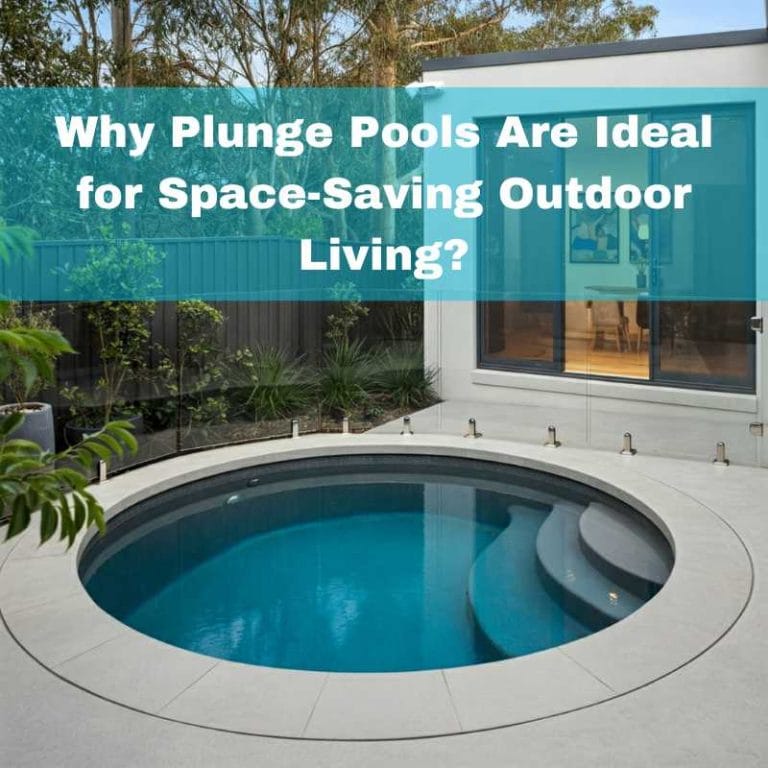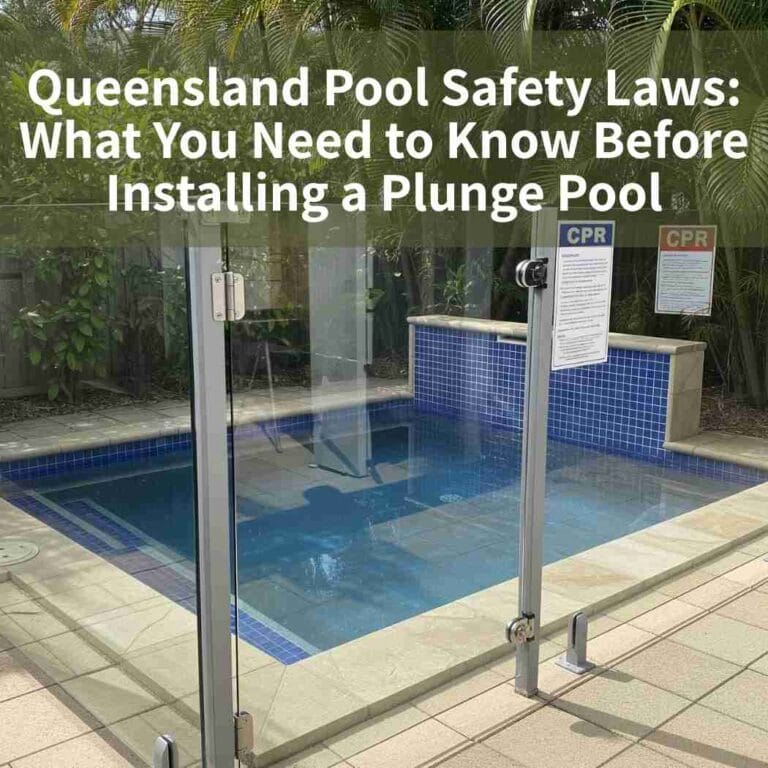
Unlike prefabricated pool shells, a concrete pool is built to your site’s exact dimensions. Whether you’re working with a compact courtyard, a sloping block, or a large entertaining area, concrete allows for a level of flexibility that few other pool types can match. Its structural strength also makes it one of the longest-lasting pool construction methods available, with a well-built concrete shell capable of lasting 50 years or more when properly maintained.
That said, choosing a round concrete pool involves more than selecting a shape. Construction methods, site conditions, maintenance requirements, finishes, and long-term costs all play a role in determining whether it’s the right investment for your property.
In this guide, you’ll learn the key benefits of a round concrete pool, how it compares with other construction methods, what affects its lifespan, and what to consider before starting your pool project.
What is a Round Concrete Pool?
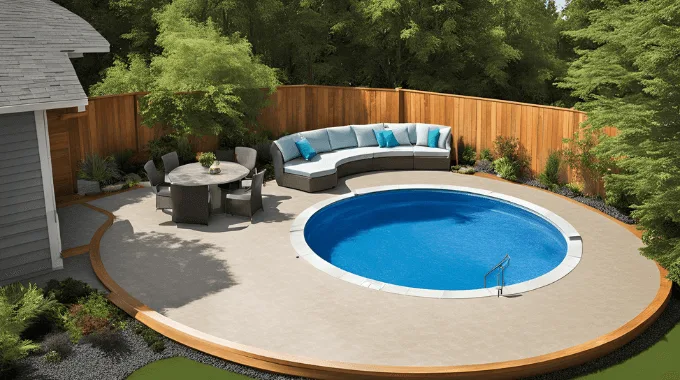
A round concrete pool is an in-ground swimming pool built using reinforced concrete and designed with a circular shape. It is constructed on-site, allowing it to be tailored entirely to your backyard, landscaping, and lifestyle requirements.
The construction process begins with excavation and the installation of steel reinforcement before concrete is sprayed or poured to form a solid structural shell. Once the shell has cured, it can be finished with a range of premium interior surfaces, including plaster, pebblecrete, aggregate, or tiles, giving homeowners complete control over the pool’s final appearance.
One of the biggest advantages of a round concrete pool is its structural adaptability. It can be engineered to suit compact courtyards, spacious backyards, sloping blocks, or uniquely shaped sites where prefabricated pool shells may not be practical. Custom features such as built-in seating, entry steps, spa zones, swim jets, architectural lighting, and surrounding decking can all be integrated into the layout from the outset, creating a seamless transition between your home and outdoor living space.
With quality construction and ongoing maintenance, a concrete pool shell can last for more than 50 years, making it one of the most durable and long-lasting pool construction options available.
Why More Homeowners Are Choosing Round Concrete Pools
Round concrete pools have become increasingly popular because they combine practical design with long-term durability. Their curved shape creates a natural focal point in the backyard while making outdoor spaces feel more open and inviting.
It can be designed to suit the available space rather than forcing your backyard to fit a fixed shell. Whether you’re building in a compact courtyard, a narrow block, or a larger entertaining area, the pool can be customised to work with your property’s layout.
Many homeowners also choose concrete because it offers greater freedom to personalise the finished pool. Features such as built-in seating, entry steps, spa areas, water features, and premium interior finishes can all be incorporated into the design, creating a pool that complements both the home and the surrounding landscape.
For homeowners planning to stay in their property for many years, a round concrete pool is often viewed as a long-term investment that combines lifestyle, functionality, and lasting value.
Benefits of a Round Concrete Pool
A round concrete pool offers more than visual appeal. Its strength, customisation options, and long lifespan make it a practical investment for homeowners looking to create a functional outdoor space that will continue to add value for decades. From adapting to challenging sites to supporting unique designs, concrete provides advantages that many prefabricated pool systems cannot match.
1. Design Flexibility and Space Efficiency
One of the biggest advantages of a round concrete pool is the freedom to build around your property. Because the pool is constructed on-site, the diameter, depth, and layout can all be customised to suit your backyard and how you plan to use it.
This flexibility is particularly valuable for properties with limited space or irregular boundaries. A round design also creates a softer visual appearance than traditional rectangular pools, making it well suited to courtyards, entertaining areas, and smaller backyards where every square metre matters.
Concrete construction also allows features such as curved entry steps, built-in seating, spa zones, water features, and premium coping materials to be incorporated into a single and cohesive design.
2. Engineered for Challenging Sites
Not every backyard is flat or easy to build on. Sloping blocks, irregular boundaries, restricted access, and existing retaining walls can all influence the type of pool that can be installed. This is where a round concrete pool has a significant advantage.
Because the pool is built on-site using reinforced concrete, it can be engineered to suit a wide range of site conditions. It can be designed either an in-ground, semi-inground, or out-of-ground installation depending on the property’s layout.
This flexibility makes concrete an excellent choice for homes built on sloping land or compact urban blocks where standard pool designs may not be suitable. Instead of compromising on the pool’s size or position, the design can be adapted to maximise the available space while maintaining structural integrity.
Concrete also has excellent thermal mass, helping the pool retain heat more effectively than lighter construction materials. Combined with heating systems, this can improve swimming comfort and extend the time you can enjoy your pool throughout the year.
3. Built to Last for Decades
A round concrete pool is designed as a permanent addition to your property. When constructed using quality materials and proper engineering, the concrete shell can last 50 years or more, making it one of the most durable pool construction methods available.
Its strength comes from reinforced concrete, which resists structural movement and daily wear better than many alternative pool materials. While the shell is built for decades of use, the interior finish will naturally wear over time and typically needs resurfacing every 10 to 15 years. This maintenance restores the pool’s appearance and protects the underlying concrete, helping extend its lifespan.
Although a concrete pool usually costs more to build initially, its longevity often provides better long-term value. For homeowners planning to stay in their property for many years, it can be a worthwhile investment that combines durability, design flexibility, and lasting performance.
4. Enhances Lifestyle and Property Value
A round concrete pool creates more than just a place to swim. It extends your outdoor living area, making it easier to relax, entertain guests, or spend time with family throughout the year. The circular layout naturally encourages conversation and social interaction, making it well suited to entertaining spaces.
Concrete construction also allows premium features to be built into the design from the outset. Built-in spas, bench seating, swim jets, lighting, and water features can all be seamlessly integrated, creating a backyard that suits your lifestyle.
Beyond everyday enjoyment, a well-designed concrete pool can also increase your property’s appeal. For many buyers, a professionally built pool is viewed as a premium outdoor feature that enhances both the functionality and overall presentation of the home. When combined with quality landscaping and outdoor entertaining areas, it can become one of the property’s most valuable features.
How a Custom Round Concrete Pool Is Built
Building a custom round concrete pool takes time because every stage is completed on-site and tailored to your property. While the process is longer, it allows for greater design flexibility and a structure built to last.
The construction process typically includes:
- Design and planning to finalise the pool’s size, depth, features, and position.
- Excavation to prepare the site and create the pool’s footprint.
- Steel reinforcement to form the structural framework of the pool.
- Plumbing and electrical installation for filtration, drainage, lighting, and optional features.
- Shotcrete or gunite application to create the reinforced concrete shell.
- Concrete curing, allowing the shell to gain maximum strength over several weeks.
- Finishing works, including the interior surface, coping, waterline tiles, and surrounding landscaping.
Although construction takes longer, each stage contributes to the strength, durability, and custom finish that make a concrete pool a long-term investment.
Custom Concrete vs Precast Concrete Pools
Both custom and precast concrete pools offer the strength and durability that concrete is known for, but they’re designed for different priorities. The right choice depends on your budget, timeline, site conditions, and how much flexibility you want in the final design.
| Feature | Custom Concrete Pool | Precast Concrete Pool |
|---|---|---|
| Design flexibility | Fully customised | Limited to factory moulds |
| Installation time | Longer construction | Faster installation |
| Best for | Unique designs and challenging sites | Standard layouts and quicker projects |
| Sloping or irregular blocks | Excellent | May require additional site preparation |
| Built-in features | Highly customisable | More limited |
If you have a sloping block, restricted access, or want a pool that’s tailored to your backyard, a custom concrete pool usually provides the greatest design flexibility. If your priority is reducing construction time while still enjoying the benefits of a concrete pool, a precast pool can be a practical alternative.
Both options provide excellent durability when installed correctly, so the decision often comes down to balancing design freedom with installation speed.
Long-Term Maintenance and Ownership
A concrete pool is built to last, but like any major feature of your home, it performs best with regular care. Routine maintenance not only keeps the water clean and safe but also helps protect the pool’s interior finish and equipment.
Maintaining balanced water chemistry is one of the most important tasks. Keeping the pH, chlorine or mineral levels within the recommended range helps prevent staining, algae growth, and unnecessary wear on the pool surface. Regular cleaning, including skimming debris, brushing the walls, and servicing the filtration system, also helps maintain water quality.
The surrounding environment can influence maintenance requirements. Pools located beneath large trees may need more frequent cleaning, while reactive soils and changing weather conditions can affect long-term performance if drainage and construction are not properly planned.
Although the reinforced concrete shell can last for more than 50 years, the interior surface typically requires resurfacing every 10 to 15 years. This is a normal part of concrete pool ownership and helps preserve both the appearance and durability of the pool for decades to come.
Challenges of Owning a Round Concrete Pool
A round concrete pool offers excellent durability and design flexibility, but it’s important to understand the commitment involved before starting your project.
- The biggest consideration is the higher upfront investment. Custom concrete pools generally cost more than fibreglass or vinyl liner pools because they’re individually engineered and built on-site. Construction also takes longer, with several stages required to achieve maximum structural strength and a high-quality finish.
- Over the long term, the pool’s interior surface will need resurfacing approximately every 10 to 15 years. While this is a normal part of concrete pool ownership, it should be factored into your ongoing maintenance budget.
- For many homeowners, these trade-offs are outweighed by the ability to create a fully customised pool with a lifespan that can exceed 50 years. Understanding both the benefits and responsibilities allows you to make a more informed investment in your property.
Is a Round Concrete Pool Right for Your Backyard?
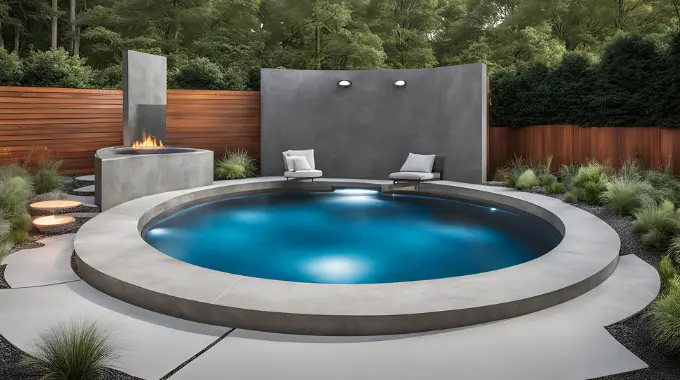
A round concrete pool is an excellent choice if you’re looking for a long-term investment that can be customised to suit your property and lifestyle. Its flexibility makes it suitable for everything from compact courtyards to larger family backyards, while its structural strength allows it to adapt to sloping or irregular sites that may be difficult for prefabricated pool systems.
It may be the right option if you:
- Plan to stay in your home for many years.
- Want a pool designed specifically for your backyard.
- Have a sloping, narrow, or unusually shaped block.
- Intend to incorporate features such as a spa, seating, lighting, or water features.
- Value durability and long-term property value over the lowest upfront cost.
If your main priority is the fastest installation or the lowest initial investment, a precast concrete or fibreglass pool may be worth considering. However, if you want maximum design flexibility and a pool built to last for decades, a custom round concrete pool remains one of the strongest long-term choices.
Conclusion
A round concrete pool is more than a backyard feature – it’s a long-term investment that combines durability, design flexibility, and lasting value. Whether you’re building on a compact block, a sloping site, or creating a premium outdoor entertaining area, concrete gives you the freedom to design a pool that suits your property and lifestyle.
While construction takes longer and requires a higher upfront investment than some alternatives, the result is a structurally strong pool that can last for more than 50 years with proper care. From custom finishes and integrated features to improved property appeal, a well-built round concrete pool continues to deliver value long after installation is complete.
If you’re considering installing a round concrete pool, speaking with an experienced pool builder is the best place to start. A professional site assessment can help determine the most suitable design, construction method, and features for your backyard, ensuring your investment meets both your lifestyle and long-term goals.
Book a professional site assessment with our team today to determine the ultimate structural design for your backyard.
People Also Ask
How long does a round concrete pool last?
A professionally built round concrete pool can last 50 years or more, making it one of the longest-lasting pool construction options available. While the reinforced concrete shell is designed for decades of use, the interior finish will typically need resurfacing every 10 to 15 years to maintain its appearance and protect the underlying structure.
How much does a round concrete pool cost?
The cost of a round concrete pool depends on its size, design, site conditions, and the finishes you choose. In Australia, a custom concrete pool generally starts from around $40,000, with larger or more complex projects costing significantly more. Features such as integrated spas, premium tiling, heating, and landscaping will also influence the final price.
Can a round concrete pool be built on a sloping block?
Yes. One of the biggest advantages of concrete construction is its ability to adapt to challenging sites. A round concrete pool can be engineered for sloping, irregular, or narrow blocks, making it a practical solution where prefabricated pool shells may not be suitable.
Is a round concrete pool better than a fibreglass pool?
Neither option is universally better – it depends on your priorities. Concrete pools offer complete design flexibility, can be customised for almost any site, and generally have a longer structural lifespan. Fibreglass pools are typically quicker to install and often have lower upfront costs because they’re manufactured in standard moulds.
Can a round concrete pool be installed above ground?
Yes. While most are built in-ground, a round concrete pool can also be designed as a semi-inground or out-of-ground pool where site conditions require it. This makes concrete a suitable option for sloping blocks and properties with significant changes in elevation.
What maintenance does a concrete pool require?
Routine maintenance includes balancing the water chemistry, cleaning the pool, servicing the filtration system, and inspecting equipment regularly. The concrete shell requires very little structural maintenance, although the interior finish should generally be resurfaced every 10 to 15 years as part of normal ownership.
Can I customise the design of a round concrete pool?
Yes. Because it’s built on-site, a round concrete pool can be customised to suit your backyard and lifestyle. Homeowners can incorporate features such as built-in seating, entry steps, spas, water features, lighting, heating systems, and a wide range of interior finishes.
Does a round concrete pool increase property value?
A professionally designed concrete pool can enhance both the appeal and functionality of your outdoor living area, making your property more attractive to many buyers. While the exact increase depends on factors such as location, design, and overall property presentation, a high-quality concrete pool is often viewed as a premium feature.