For many Brisbane homeowners, the decision comes down to more than simply keeping the water sanitised. Comfort, skin sensitivity, ongoing maintenance, and overall lifestyle all play a role. With Brisbane’s warm climate and long swimming season, the quality of the water is something you’ll notice every time you step into the pool.
In this guide, we’ll compare traditional chlorine and magnesium mineral plunge pools, explain how each system works, and look at their advantages, disadvantages, costs, and long-term value. By the end, you’ll have a clear understanding of which option best suits your backyard, budget, and the way you plan to use your plunge pool.
Two Main Water Systems for Plunge Pools
When it comes to sanitising a plunge pool, there are two main options: a traditional chlorine system or a mineral system. Both are designed to keep the water clean, safe, and free from harmful bacteria, but they achieve this in different ways and provide a different swimming experience.
Traditional chlorine has been the standard choice for decades. It’s reliable, widely available, and remains the most common option for residential pools. Mineral systems are a newer alternative that combine natural minerals with lower levels of chlorine to create softer-feeling water while maintaining effective sanitation.
Understanding how each system works is the first step towards choosing the right option for your backyard.
1. Traditional Chlorine
A traditional chlorine pool relies on chlorine as its primary sanitiser. Liquid chlorine or other chlorine products are added to the water to destroy bacteria, algae, and other contaminants, helping keep the pool hygienic throughout the swimming season.
One of the biggest advantages of chlorine is its effectiveness. It’s proven, relatively inexpensive to install, and easy to source from almost any pool supplier. However, maintaining the correct chlorine levels is essential. Too little can affect water quality, while too much may lead to eye irritation, dry skin, and the familiar chemical smell many swimmers associate with public pools.
2. Mineral Systems
Mineral pools use a combination of natural minerals and a reduced amount of chlorine to keep the water clean. The two most common options are crystal salt and magnesium mineral systems, with magnesium becoming the preferred choice for many homeowners looking for a more comfortable swimming experience.
While both systems sanitise the pool effectively, magnesium is often chosen because of the way the water feels. Many pool owners describe it as softer, silkier, and lighter than traditional chlorinated water. It also has a much milder chemical smell, making it a popular option for families who use their plunge pool regularly.
How Does a Saltwater or Magnesium Mineral Pool Work?
One of the biggest misconceptions is that saltwater or mineral pools are completely chlorine-free. In reality, both systems still rely on chlorine to keep the water safe to swim in. The difference is how that chlorine is produced or used.
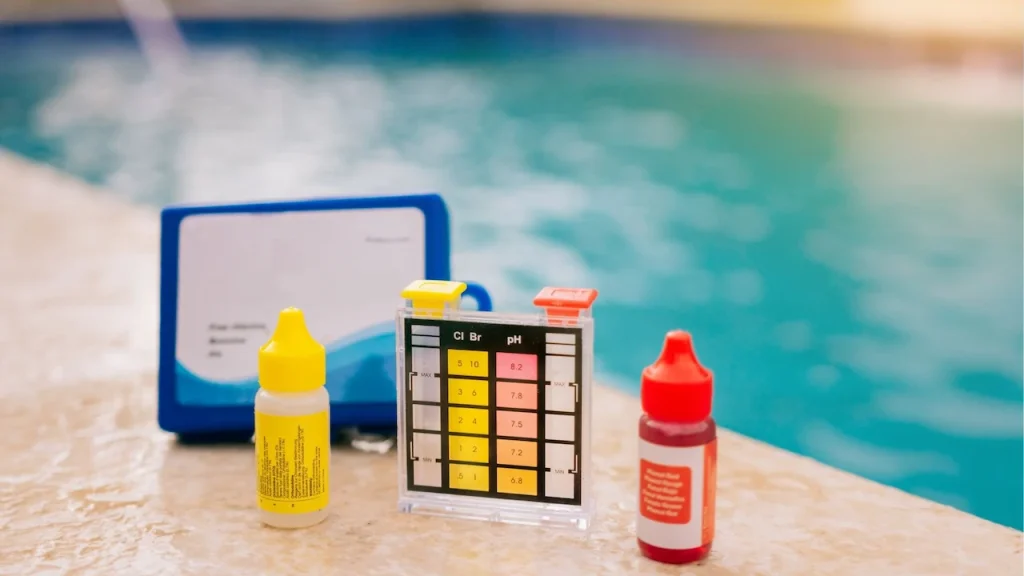
A traditional chlorine pool requires chlorine to be added directly to the water, either as liquid chlorine, tablets, or granules. Maintaining the correct chemical balance means testing the water regularly and topping up chlorine as needed.
A saltwater pool works differently. A salt chlorinator converts dissolved salt into chlorine through electrolysis, continuously sanitising the water. While the chlorine levels are generally lower than a traditional chlorine pool, it is still a chlorinated pool.
A magnesium mineral pool follows a similar principle but adds minerals typically magnesium to the water. The minerals don’t replace chlorine; instead, they work alongside a lower level of chlorine to maintain water quality while creating a softer, more comfortable swimming experience.
Many homeowners describe magnesium water as feeling silky or lighter on the skin. Combined with its lower chemical smell, it’s one of the main reasons magnesium systems have become increasingly popular for residential plunge pools.
Chlorine vs Magnesium Mineral Pools: Quick Comparison
Before looking at the advantages and disadvantages of each system, here’s a quick side-by-side comparison of the key differences.
| Feature | Traditional Chlorine | Magnesium Mineral |
|---|---|---|
| Initial Equipment Cost | Lower upfront investment | Higher upfront investment |
| Water Feel | Can feel harsher or drying | Soft, silky, and comfortable |
| Skin & Eye Comfort | May cause irritation if not balanced | Gentler on sensitive skin and eyes |
| Chemical Odour | More noticeable chlorine smell | Milder, fresher smell |
| Wellness Benefits | Sanitises water only | Magnesium is often chosen for its relaxing swimming experience |
| Maintenance | Regular chlorine dosing and balancing | Mineral levels also require monitoring, but chlorine demand is generally lower |
| Environmental Impact | Greater reliance on chemical sanitiser | Lower chemical usage overall |
Both systems are capable of keeping your plunge pool clean and safe. The main difference is the swimming experience. Traditional chlorine remains the more affordable option, while magnesium mineral systems offer greater comfort and are often preferred by homeowners looking for a premium backyard pool.
Advantages of Traditional Chlorine Pools
Traditional chlorine remains the most widely used pool sanitising system, and for good reason. It’s proven, effective, and relatively inexpensive to install, making it a practical choice for many homeowners.
1. Highly Effective at Sanitising Water
Chlorine quickly destroys bacteria, algae, and other microorganisms that can affect water quality. When properly maintained, it provides reliable sanitation and keeps your plunge pool safe to swim in throughout the year.
2. Lower Upfront Cost
Compared to magnesium mineral systems, a traditional chlorine setup usually costs less to install. The equipment is readily available, replacement chemicals are easy to source, and most pool technicians are familiar with maintaining chlorine systems.
Disadvantages of Traditional Chlorine Pools
While chlorine is an effective and affordable sanitiser, it’s not without its drawbacks. Many of the common complaints relate to comfort rather than water quality.
1. Eye and Skin Irritation
If chlorine levels are too high or the water chemistry is unbalanced, swimmers may experience red eyes, dry skin, or irritation after spending time in the pool. People with sensitive skin are often more likely to notice these effects.
2. Strong Chemical Smell
The familiar “chlorine smell” is another reason some homeowners look for alternatives. In many cases, this odour comes from chloramines, which form when chlorine reacts with contaminants in the water. A properly maintained pool should have very little smell, but the scent can still be more noticeable than in a mineral pool.
3. Less Comfortable for Frequent Swimming
Many Australians remember spending hours in heavily chlorinated pools, only to leave with stinging eyes, dry skin, or hair that felt brittle. If your plunge pool will be used regularly, particularly by children or anyone with sensitive skin, these comfort issues are worth considering when choosing a water system.
Advantages of Magnesium Mineral Pools
Magnesium mineral systems have become increasingly popular because they offer more than just clean water. For many homeowners, the improved comfort and overall swimming experience justify the higher upfront investment.
1. Softer on Skin, Hair, and Eyes
One of the biggest advantages of a magnesium pool is how the water feels. Many people describe it as softer and silkier than traditional chlorinated water. With lower chlorine levels, swimmers are also less likely to experience dry skin, red eyes, or irritation after a swim.
2. A More Relaxing Swimming Experience
Magnesium is often associated with relaxation and recovery, which is why many homeowners choose it for wellness-focused backyards. While everyone’s experience is different, many pool owners find the water more comfortable for regular swimming, especially after exercise or on hot summer days.
3. Less Chemical Smell
Because mineral systems use less chlorine than traditional pools, they generally produce a milder odour. This creates a fresher swimming environment and means you’re less likely to notice that strong chemical smell after getting out of the pool.
4. Lower Chemical Usage
Mineral systems still require regular testing and maintenance, but they rely less on harsh chemicals to maintain water quality. For homeowners looking for a more natural-feeling swimming experience, this is often one of the biggest advantages.
Disadvantages of Magnesium Mineral Pools
Although magnesium mineral pools offer a more comfortable swimming experience, they’re not the right choice for every homeowner. It’s worth considering the higher upfront investment and ongoing maintenance before making a decision.
1. Higher Initial Cost
A magnesium system costs more to install than a traditional chlorine setup. In addition to the chlorinator, you’ll also need magnesium minerals and compatible equipment, which increases the overall installation cost.
For homeowners working with a tighter budget, this higher upfront expense may influence the final decision.
2. Ongoing Maintenance Is Still Required
A common misconception is that mineral pools are maintenance-free. While they generally require fewer chemicals, you’ll still need to monitor water balance, check mineral levels, and maintain the filtration system to keep the pool in good condition.
Like any swimming pool, regular testing and routine servicing are essential.
3. Mineral Products Can Cost More
Unlike standard chlorine products, magnesium minerals and replacement cartridges are usually more expensive and may not be stocked by every local pool supplier. Depending on the system you choose, you may need to purchase specific products recommended by the manufacturer.
4. Not Every Existing Pool Is Compatible
If you’re converting an existing chlorine pool, some equipment may need to be upgraded or replaced before a magnesium system can be installed. Checking compatibility with your pool builder or installer can help avoid unexpected costs later.
Are Mineral Pools Chlorine-Free?
One of the most common misconceptions is that mineral pools don’t use chlorine. In reality, they do.
Whether you choose a traditional chlorine pool, a saltwater pool, or a magnesium mineral pool, chlorine is still the primary sanitiser that keeps the water safe by eliminating bacteria and other harmful microorganisms.
The difference lies in how it’s delivered. Traditional pools require chlorine to be added directly, while saltwater and magnesium systems generate or use lower levels of chlorine alongside minerals. This reduces the amount of added chemicals while maintaining clean, hygienic water.
For most homeowners, the benefit isn’t that a mineral pool is chlorine-free. It’s that the water often feels softer, has less chemical odour, and provides a more comfortable swimming experience without compromising sanitation.
Which Water System Is Right for You?
The best choice depends on how you plan to use your plunge pool. Both systems provide safe, clean water, but they suit different priorities and budgets.
If keeping the initial cost low is your main concern, a traditional chlorine system is a practical option. It’s reliable, easy to maintain, and remains the standard choice for many residential pools.
A magnesium mineral system is often better suited to homeowners who want a more comfortable swimming experience. It’s particularly popular with families, frequent swimmers, and anyone who values softer-feeling water and lower chemical odour.
Here’s a simple way to compare the two.
| Choose a Traditional Chlorine Pool if you… | Choose a Magnesium Mineral Pool if you… |
|---|---|
| Want the lowest upfront cost | Want a premium swimming experience |
| Prefer widely available pool products | Have sensitive skin or eyes |
| Are comfortable with routine chemical maintenance | Swim regularly throughout the year |
| Need a practical, proven sanitising system | Prefer softer water with less chemical smell |
| Are building with a tighter budget | Are happy to invest more upfront for added comfort |
There’s no single right answer. If your priority is affordability and proven performance, a chlorine system is a solid choice. If you’re looking for greater comfort and use your plunge pool regularly, many homeowners find a magnesium mineral system is well worth the extra investment.
Cost Comparison: Chlorine vs Magnesium Mineral
Cost is often one of the biggest factors when choosing a water system. While a traditional chlorine setup is generally more affordable to install, it’s worth considering the overall ownership experience rather than the upfront price alone.
A chlorine system usually has the lowest initial cost because the equipment is simpler and pool chemicals are widely available. For many homeowners, it’s a practical choice that delivers reliable performance without stretching the budget.
A magnesium mineral system requires a larger upfront investment. The specialised chlorinator, mineral blends, and compatible equipment all contribute to the higher installation cost. However, many homeowners see this as an investment in comfort rather than simply an added expense.
Over the life of the pool, the difference in cost often becomes less significant, particularly for households that use their plunge pool regularly. Spending a little more upfront can provide years of softer-feeling water, less chemical odour, and a more enjoyable swimming experience.
| Water System | Typical Investment |
|---|---|
| Traditional Chlorine | Lower upfront equipment and installation cost |
| Magnesium Mineral | Higher upfront investment, with added comfort and premium water quality |
When comparing quotes, don’t focus solely on the installation price. Consider how often you’ll use the pool, who will be swimming in it, and the type of experience you want every time you step into the water.
Design and Installation Considerations
Your choice of water system should also suit the type of plunge pool you’re building. Whether you choose a precast concrete, custom concrete, or fibreglass pool, it’s important to make sure the sanitising system is compatible with the equipment and finish.
For new pool installations, either a traditional chlorine or magnesium mineral system can be incorporated during construction. If you’re still deciding on the pool itself, it’s worth exploring the differences between fibreglass and concrete plunge pools or discussing custom plunge pool options with your builder to find the best fit for your backyard and lifestyle.
If you’re upgrading an existing pool, the process may be more involved. Converting from a traditional chlorine system to a magnesium mineral system can require changes to the chlorinator or other equipment, depending on your current setup.
Planning these decisions early helps avoid unnecessary upgrades later and ensures your plunge pool is designed to deliver the swimming experience you’re looking for from day one.

Maintenance Requirements
No matter which water system you choose, regular maintenance is essential to keep your plunge pool clean, safe, and operating efficiently.
A traditional chlorine pool requires routine testing to maintain the correct chlorine and pH levels. Depending on usage and weather conditions, you may also need to add chlorine more frequently to keep the water properly sanitised.
Magnesium mineral pools still require regular water testing, but you’ll also need to monitor mineral levels and replace mineral blends when required. Although they often use less chlorine, they are not maintenance-free.
Basic tasks such as cleaning the filter, emptying skimmer baskets, and checking the pump should be part of every pool owner’s routine, regardless of the sanitising system.
With consistent maintenance, both chlorine and magnesium pools can provide crystal-clear water and reliable performance throughout Brisbane’s swimming season.
Our Recommendation
Based on our experience building plunge pools across Brisbane, we generally recommend magnesium mineral systems for homeowners who want the best overall swimming experience. The softer-feeling water, lower chemical odour, and improved comfort make them a popular choice for families and anyone planning to use their pool regularly.
That doesn’t mean traditional chlorine is the wrong option. It’s a proven, reliable system that continues to perform well and offers excellent value, particularly for homeowners who are working within a budget or prioritising a lower upfront cost.
Ultimately, the right choice comes down to how you intend to use your plunge pool. If you’re creating a premium outdoor space where comfort is a priority, a magnesium mineral system is often worth the additional investment. If affordability and simplicity are more important, a traditional chlorine system remains a dependable solution.
Making the Right Choice for Your Brisbane Backyard
Brisbane’s warm climate means many homeowners enjoy their plunge pool for much of the year. That’s why choosing the right water system is about more than keeping the water clean. It’s about creating a pool that’s comfortable to use every time you step in.
A traditional chlorine system offers reliable performance and a lower upfront cost, making it a practical choice for many households. If you’re looking for a more premium swimming experience, a magnesium mineral system provides softer-feeling water, less chemical odour, and greater comfort for regular use.
If you’re planning a new plunge pool, it’s worth discussing your preferred water system early in the design process. The right combination of pool design, construction, filtration, and water treatment will help you get the most from your investment for years to come.
Whether you’re building a compact plunge pool for a small backyard or designing a custom outdoor retreat, choosing the right water system from the start can make a real difference to your long-term enjoyment.
Conclusion
Choosing between a traditional chlorine and magnesium mineral plunge pool comes down to what matters most to you. Both systems provide safe, clean water when properly maintained, but they offer different ownership experiences.
If you’re looking for the most affordable and proven solution, a traditional chlorine system remains an excellent choice. It’s effective, widely available, and continues to be the standard for many residential pools.
If comfort is a higher priority, a magnesium mineral system is hard to overlook. The softer-feeling water, reduced chemical odour, and more enjoyable swimming experience have made it an increasingly popular option for Brisbane homeowners.
Before making your decision, consider how often you’ll use your plunge pool, who’s likely to be swimming in it, and the type of experience you want over the years ahead. Choosing the right water system from the start will help you get the most enjoyment from your investment.
What’s Next?
Now that you understand the differences between chlorine and magnesium mineral systems, the next step is choosing the right type of plunge pool for your backyard.
If you’re weighing up different construction options, read our guide on when to choose a fibreglass plunge pool to learn where it performs best and how it compares with concrete alternatives. If you’re planning a more personalised design, you may also want to explore our custom plunge pools to see what’s possible for your space and lifestyle.
Taking the time to choose both the right pool and the right water system will help ensure you enjoy your plunge pool for many years to come.
People Also Ask
What is the difference between chlorine and mineral pools?
A chlorine pool uses chlorine as the primary sanitiser to keep the water clean. A mineral pool combines natural minerals, such as magnesium, with lower levels of chlorine to create softer-feeling water while maintaining effective sanitation. Both systems keep the water safe to swim in, but they offer different swimming experiences.
Are mineral pools worth it?
For many homeowners, yes. While they cost more to install, mineral pools provide softer water, less chemical odour, and greater comfort. If you use your plunge pool regularly, the improved swimming experience can make the additional investment worthwhile.
Do mineral pools still use chlorine?
Yes. Mineral pools are not chlorine-free. They still rely on chlorine to sanitise the water, but they generally use lower levels than traditional chlorine pools. The minerals improve water comfort without replacing the need for sanitation.
Is a magnesium pool better for sensitive skin?
Many homeowners choose magnesium pools because the water is gentler on the skin and eyes. Although experiences vary, the lower chlorine levels can make swimming more comfortable for people with sensitive skin.
Can you convert a chlorine pool into a magnesium pool?
In many cases, yes. However, the existing filtration and chlorination equipment may need to be upgraded or replaced. A pool professional can assess your current setup and recommend the most suitable conversion options.